
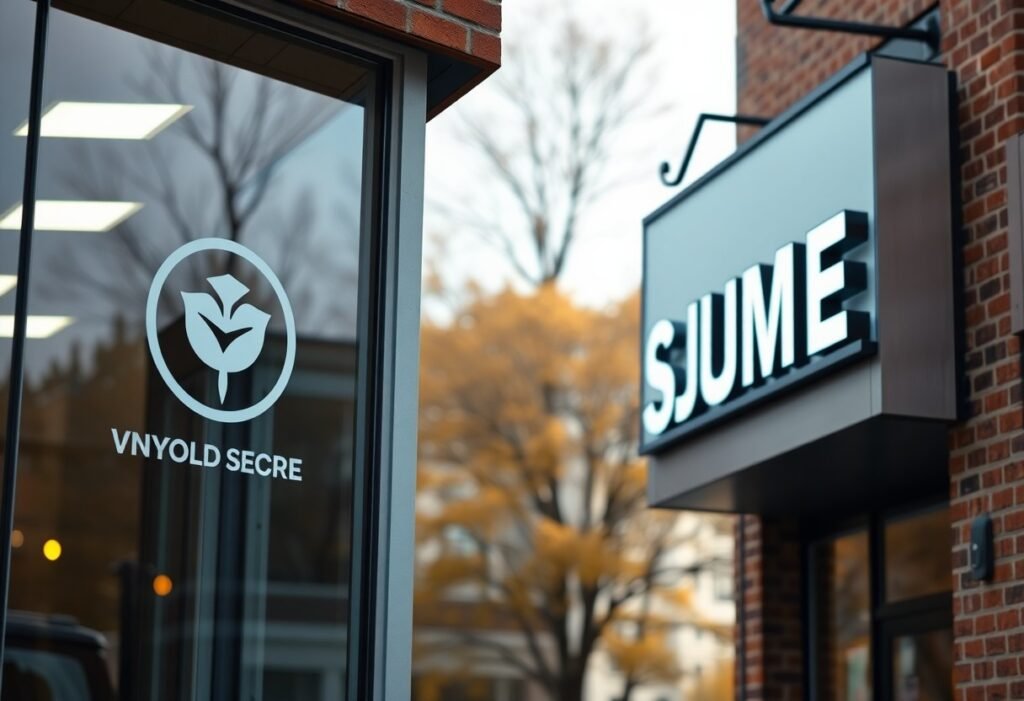
Over time, you may weigh visibility, cost, durability, and local regulations when choosing between window graphics and exterior storefront signs; this guide explains how each option supports foot traffic, brand recognition, budget constraints, and permit requirements so you can decide which best serves your location and marketing goals.
Key Takeaways:
- Window graphics are cost-effective and ideal for short-term promotions, seasonal messaging, and engaging pedestrians at street level.
- Exterior storefront signs deliver stronger long-range visibility and brand presence, making them better for permanent identity and vehicle traffic exposure.
- Local sign codes, building restrictions, and permitting often affect storefront signs more than window graphics-check regulations before planning.
- Budget and longevity differ: window graphics are cheaper and easy to update; storefront signs are more durable and typically require a larger upfront investment.
- Combining both yields the best results-use storefront signs for consistent branding and window graphics for timely offers, ensuring cohesive design and materials.
Understanding Window Graphics
Definition and Purpose
Window graphics are printed films-adhesive vinyl, static cling, frosted or perforated-that adhere to glass to deliver branding, promotions, privacy and wayfinding. You use them to transform idle storefront glass into targeted messaging, display menus or create seasonal visuals, with options for one-way vision, frosted opacity or full-color advertising depending on whether you prioritize visibility, daylight or privacy.
Advantages of Window Graphics
You gain low-cost flexibility, fast turnaround and high visual impact: cast vinyl lasts about 5-7 years outdoors while calendared runs 3-5 years, and perforated films (common 50/50 or 60/40 patterns) let customers see inside while showing a full image outside. Install times are short, replacements scale from single panels to full wraps, and you can run short campaigns without the permitting or mounting costs of exterior signs.
For example, perforated 50/50 film preserves roughly half the view from inside, so you can maintain sightlines while boosting curb appeal; small window decals often install in under an hour and are removable without glass damage; and you can swap seasonal wraps on a weekly or monthly cadence to match promotions, making window graphics ideal when you need measurable, temporary or budget-friendly storefront upgrades.
Exploring Exterior Storefront Signs
Exterior storefront signs shape how your business is discovered and perceived, influencing foot traffic, wayfinding and first impressions. You should evaluate visibility ranges, material longevity and local codes: for example, illuminated channel letters are typically legible from 150-300 feet, lightboxes improve night visibility, and awnings engage sidewalk customers while protecting displays.
Types of Exterior Signs
You can match sign type to goal and budget: channel letters maximize distance legibility, lightboxes provide bold night presence, blade signs capture passing pedestrians, awnings combine branding with shelter, and digital displays allow timed promotions. Materials, illumination and mounting affect lifespan and permitting timelines. Assume that LED channel letters typically extend readable distance by 20-30% versus non-illuminated alternatives.
- Channel letters (individual, often illuminated)
- Lightboxes / backlit panels
- Blade / projecting signs
- Awnings and canopies
- Digital LED displays
| Channel letters | $2,000-$20,000; legible 150-300 ft; durable 10-15 years |
| Lightbox | $1,500-$10,000; strong night impact; moderate maintenance |
| Blade sign | $800-$4,000; excellent sidewalk visibility; easy to permit |
| Awnings | $1,200-$8,000; adds shelter and branding; fabric replacement every 5-7 years |
| Digital LED | $5,000-$40,000; dynamic messaging; higher energy and permit considerations |
Benefits of Storefront Signs
Well-designed storefront signs improve your visibility, increase walk-ins by roughly 10-30% depending on placement and design, and reinforce brand recognition across repeat customers; illuminated solutions extend trading hours impact. You can pick materials and lighting to balance upfront cost with 6-18 month payback in busy locations.
Beyond immediate traffic gains, signs contribute to brand equity and local discovery-photos, directories and maps reinforce your identity; a small café case reported an 18% sales lift after upgrading to a backlit blade sign. You should also factor permit fees ($50-$300 typical), LED running costs ($10-$50/month) and maintenance cycles every 3-7 years.
Comparing Visibility and Impact
Visibility & Impact Comparison
| Window Graphics | Exterior Storefront Signs |
|---|---|
| Target pedestrians and sidewalk traffic; most effective within 0-30 ft for detailed messaging and impulse promotions. | Designed for curb appeal and distance; readable from roughly 100-300+ ft depending on letter height and mounting. |
| Flexible and seasonal: vinyl films typically last 3-7 years outdoors and are inexpensive to swap for campaigns. | Higher upfront cost but longer lifespan (7-15+ years for channel letters or routed signs), and often illuminated for night visibility. |
| Lower impact at vehicular speeds; ideal in dense, walkable districts and storefront window lines. | Better for drawing traffic from busy corridors or parking areas; follow the 1 inch of letter height per 10 feet of viewing distance rule for legibility. |
Audience Reach
Pedestrians see window graphics up close-detail, CTAs, and seasonal offers perform best within roughly 0-30 feet-while exterior signs capture drivers and distant pedestrians, often visible 100-300+ feet. When you expect high foot traffic (malls, downtown), prioritize window treatments; if your customers approach by car or from across wide plazas, invest in larger, elevated signage designed to read at speed.
Brand Recognition
Window graphics let you reinforce visual identity at the point of decision, but exterior signs build long-term recall by acting as landmarks; a consistent logo and color palette across both increases recognition far more than isolated pieces. You’ll get faster short-term responses from windows and deeper brand memory from bold, well-lit signage seen daily by repeat passersby.
Focus on consistent scale, contrast, and typography to strengthen recognition: use high-contrast color combinations (e.g., dark text on light background or vice versa), keep your logo at a minimum clear space so it reads at a glance, and match materials so finishes (matte vs. gloss) don’t clash. If you can, test a campaign on window graphics for 4-8 weeks to refine messaging, then translate the successful visual into a permanent exterior sign to broaden reach and cement brand recall.
Cost Considerations
When weighing costs, compare immediate price and impact: window graphics typically cost $5-$25 per sq ft installed, so a 10 sq ft storefront film runs $50-$250, while custom exterior signs often start at $500 and can reach $5,000-$20,000 for illuminated channel letters. You can get strong branding for under $1,000 with vinyl; see Six Reasons to Use Window Decals and Graphics in Your … for practical uses.
Initial Investment
Your up-front spend includes design, materials, permitting and installation. Graphics production costs often run $100-$800 at local shops; professional exterior signs add $1,000-$8,000 for fabrication and mounting. Expect permit fees of $50-$400 and electrical hookups $200-$1,000 for illuminated signs. If you DIY window film, you can cut costs to under $200; hiring pro installers reduces errors but increases initial outlay.
Long-Term Value
You should weigh lifespan and maintenance: high-quality window graphics last 3-7 years with UV inks and laminates, while well-built exterior signs-aluminum cabinets or channel letters-often endure 7-15 years. Replacement cycles affect annualized cost: a $600 graphic replaced every five years equals $120/year, whereas a $4,000 sign over 10 years equals $400/year. Factor in cleaning, re-facing and energy for illuminated options.
Beyond depreciation, consider marketing flexibility: you can refresh window graphics seasonally for $150-$600 to test promos and drive short-term sales, while exterior signs act as a persistent brand asset that improves recognition and wayfinding. For example, a downtown café that upgraded to illuminated channel letters reported higher evening foot traffic and a measured 12% sales lift over six months, turning higher initial cost into steady revenue.
Installation and Maintenance
For installations, window graphics typically need 1-2 installers and basic tools-squeegees, spray solution and a ladder-taking about 30-90 minutes per large pane with no electrical hookup or permit in most cities. Exterior storefront signs often require a site survey, city permit, structural anchors and a licensed electrician; simple blade signs can be installed in under a day, while channel-letter or illuminated cabinets commonly take 1-3 days and may need a lift or crane and inspection.
Installation Processes
Window graphic installation follows measured templating, thorough surface cleaning, wet-application and squeegeeing, edge trimming and a 24-48 hour adhesive cure; installers will box and label panels for multi-pane façades. For exterior signs you’ll start with a site survey, structural mounting plan, electrical hookup and permit filings, then use lifts/cranes, torque-specified anchors and post-install testing; illuminated signs require wiring checks by a licensed electrician and often a municipal inspection before powering up.
Maintenance Requirements
Routine upkeep varies: you should clean vinyl graphics weekly with mild soap and water (avoid ammonia-based cleaners), expect 3-7 years of outdoor life depending on UV exposure, and monitor perforated films for faster fading. For exterior signs plan biannual inspections to tighten anchors, clear debris and check seals; LED modules typically deliver ~50,000 hours (about 5-6 years) so budget driver or module replacement on that cycle and annual electrical safety checks.
More maintenance detail: keep a log with inspection dates, photographed issues and repair actions; address bubbling or edge lift within 48-72 hours by reseating or replacing panels to prevent dirt ingress. Reapply UV-protective laminates to extend vinyl life 2-3 years; for illuminated cabinets clean lenses quarterly, test LED drivers annually, and schedule a structural review every 3-5 years if exposed to heavy wind or vibration.
Situational Context
Your choice often depends on location, campaign length, and budget: exterior signs deliver continuous, long-term visibility while window graphics shine for seasonal promos, privacy, or product launches. In downtown corridors you may prioritize illuminated channel letters; in mall kiosks you’ll lean toward perforated or frosted vinyl to meet landlord rules. Expect exterior signage to cost roughly 2-5× more than vinyl installs but to endure longer-factor permit lead times, installation access, and expected lifespan into your decision-making.
Retail Environment
When your storefront faces hundreds to thousands of passersby daily, sightlines and viewing distance dictate format: use bold, high-contrast exterior signs for visibility from 50+ feet and window graphics for pedestrians within 10-25 feet. If you operate inside a mall or historic district, anticipate stricter design guidelines and shorter refresh cycles; for example, boutiques often rotate full-window wraps each season, while cafés favor an illuminated blade sign at the corner to capture diagonal foot traffic.
Customer Engagement Strategies
Put tactical CTAs on windows-limited-time pricing, 1-2 word offers, and QR codes-to drive immediate action; case reports commonly show QR-augmented window campaigns lift engagement 15-25%. You should A/B test bold color blocks versus lifestyle imagery, track walk-ins with promo codes, and refresh promotional vinyl every 4-8 weeks. Reserve exterior signage for brand recall and wayfinding, keeping messages simple: logo, hours, and an unmistakable primary offer.
For execution, prioritize legibility and placement: use the 1 inch of letter height per 10 feet of viewing distance rule, keep CTAs at eye level (48-60 inches), and limit headlines to 3-5 words for quick comprehension. Contrast ratios and backlighting matter for dusk visibility, and integrating a scannable QR plus a short vanity code lets you quantify conversions; one bakery increased morning preorders 18% after a 6-week window QR promotion combined with a 2-word bright CTA at 60 inches.
Conclusion
Upon reflecting, weigh visibility needs, budget, branding goals and longevity: choose window graphics if you want flexible, cost-effective, frequently updated messaging and close-range appeal; opt for exterior storefront signs when you need strong curbside presence, durability and long-term brand identity. Consider local regulations and installation logistics so you can match the medium to your marketing priorities.
FAQ
Q: Which option attracts more foot traffic: window graphics or exterior storefront signs?
A: Window graphics are highly effective at capturing attention from pedestrians by occupying the viewer’s immediate line of sight, allowing for product displays, promotional copy, and eye-catching imagery at sidewalk level. Exterior storefront signs (channel letters, blade signs, awnings) are better for visibility from a distance and for drivers approaching on the street. If your business relies on walk-ins in a dense pedestrian area, window graphics convert curiosity into entry more quickly. If your location needs to be identifiable from far away or in a busy traffic corridor, a prominent exterior sign will generate initial awareness that leads people closer.
Q: Which is more cost-effective for a small business on a tight budget?
A: Window graphics generally cost less to produce and install than large exterior signs and can be updated more affordably for seasonal promotions or rebranding. Vinyl graphics, perforated film, and decals have low material and labor costs and shorter lead times. Exterior storefront signs often require permits, electrical work, professional installation, and more expensive materials, driving up costs. For long-term brand presence, a single durable exterior sign can be economical over many years, but for immediate, flexible impact with lower upfront investment, window graphics are typically the more budget-friendly choice.
Q: Which option offers greater branding and messaging flexibility?
A: Window graphics offer high flexibility: full-window wraps, one-way vision perforated film, frosted privacy film, and seasonal or promotional messages can be changed frequently and tailored to campaigns. They allow photo-quality prints and complex layouts at low incremental cost. Exterior storefront signs provide strong, consistent brand presence and perceived legitimacy-options like illuminated channel letters, backlit panels, or custom materials communicate permanence and quality but are less easy to modify. Combine both for durable brand identity on an exterior sign plus agile messaging on windows.
Q: How do durability and maintenance compare between window graphics and exterior signs?
A: Exterior signs, when built with weather-resistant materials (aluminum, acrylic, powder-coated metals) and proper mounting, typically last longer and withstand wind, rain, and UV exposure better than window films. They may require occasional cleaning and electrical maintenance for lighting. Window graphics made from high-quality vinyl with UV inhibitors can last several years outdoors but are more prone to edge lifting, scratching, and fading in direct sun. Maintenance for window graphics is usually simpler and cheaper-cleaning and occasional replacement-whereas exterior signs can incur higher repair and replacement costs if damaged.
Q: How should I choose based on location, local codes, and my business goals?
A: Start by auditing your site: pedestrian vs. vehicular traffic, sightlines, storefront glass area, and visibility from key approach directions. Check municipal sign codes, lease restrictions, and historic district rules for size, illumination, and placement limits. Align the choice with goals: use exterior signs to establish long-term visibility and brand authority; use window graphics for promotions, privacy, and retail merchandising. When in doubt, combine both-a compliant exterior sign for identity plus flexible window graphics for changing messages-after confirming permits and installation feasibility.