
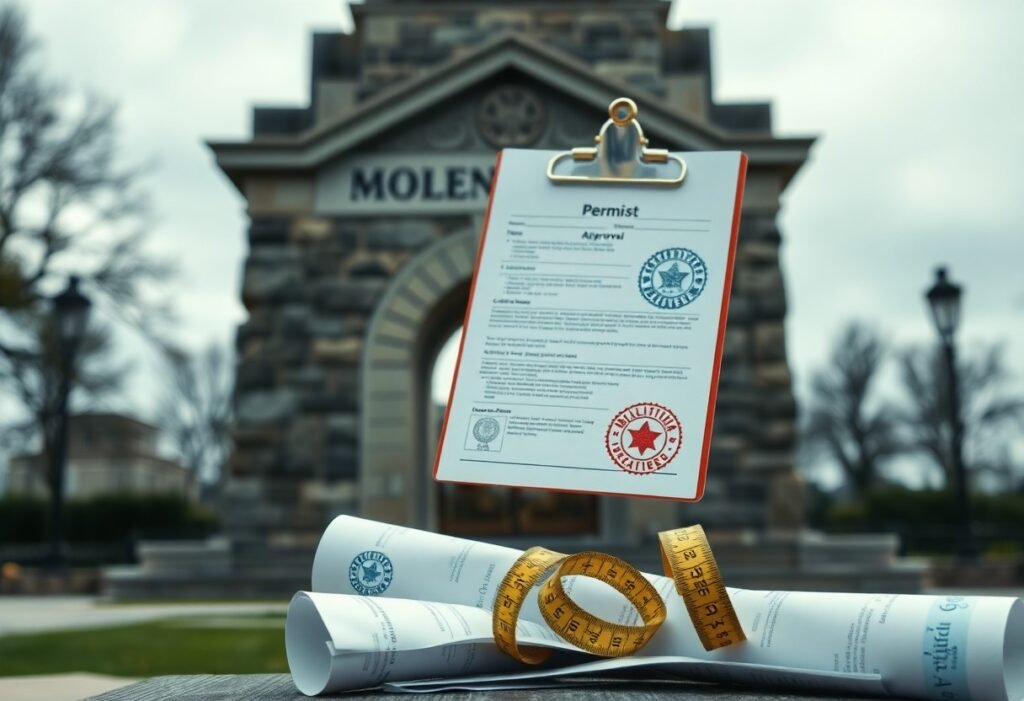
Many property owners, like you, face municipal regulations for monument sign permits and should know the basic steps: verifying zoning, submitting scaled designs, meeting height and setback limits, and obtaining inspections and approvals. Understanding application fees, required documentation, and local design standards helps you avoid delays and fines, while coordinating with your contractor ensures compliance through installation.
Key Takeaways:
- Permits are typically required before installing a monument sign; verify local zoning rules for allowed locations.
- Design limits commonly include maximum height, sign area, setbacks from property lines, and illumination standards.
- Permit applications usually require scaled drawings, site plans, owner authorization, and payment of fees.
- Plan review and inspection timelines vary; obtain approval before installation to avoid fines or removal orders.
- Nonconforming signs may need a variance or retrofit to meet code; maintain signs and renew permits as required.
Understanding Monument Signs
Definition and Purpose
As a property owner, you should view a monument sign as a low-profile, freestanding identification structure-usually mounted on a continuous base and commonly limited by municipalities to about 6-8 feet in height and set back 3-10 feet from the right-of-way; you use it to identify a site, improve wayfinding, and reinforce branding while adhering to local setback, material, and illumination rules.
Types of Monument Signs
Common types you’ll encounter include single-tenant monuments (often 4-6 ft tall), multi-tenant panel signs that list occupants, digital/LED faces with programmable copy and brightness controls, masonry/stone monuments for permanence, and landscaped signs that integrate plantings; each type affects permitting, engineering, maintenance, and lifecycle costs differently.
- Single-tenant: straightforward design and permit path.
- Multi-tenant: modular panels and tenant lists increase review detail.
- Digital/LED: requires electrical permits and brightness controls.
- Thou must verify local illumination limits, power availability, and conditional-use requirements for electronic faces.
| Single-tenant | 4-6 ft typical; aluminum or routed faces; simple footing |
| Multi-tenant | 6-8 ft common; interchangeable panels; requires tenant roster |
| Digital/LED | Programmable faces; common brightness range 300-600 nits; needs electrical permit |
| Masonry | Stone or brick; durable; often needs engineered foundation |
| Landscaped | Integrated plantings; irrigation and setback considerations |
When you scope a project, plan for structural and site realities: signs taller than about 4 ft frequently require engineered footings, commercial setbacks commonly fall between 5-10 ft, contractors often include a 12-24 inch concrete footing in bids, and digital installations add ongoing energy and maintenance costs you must budget for.
- Prepare scaled site plans showing property lines and setbacks.
- Include elevations with dimensions, materials, and colors.
- Attach electrical plans for illuminated or digital faces.
- Provide stamped structural calculations when height or wind loads trigger engineering.
- Thou should confirm permit fees, submission formats, and typical review timelines with your local permitting office.
| Site Plan | Scaled drawing with sign location, setbacks, easements, and utilities |
| Elevations | Rendered faces showing height, materials, colors, and illumination |
| Electrical Plan | Wiring diagram, meter location, conduit runs, and load calculations |
| Structural Calc | Engineer-stamped footing and wind-load calculations when required |
| Tenant Roster | List and panel dimensions for multi-tenant signs |
Importance of Monument Sign Permits
Failing to obtain a permit can cost you fines of $100-$500 per day, delay openings by 30-90 days, or force sign removal; many businesses report project hold-ups that eat into launch budgets and local advertising plans. Securing permits upfront protects your investment, streamlines coordination with utilities and traffic engineers, and often shortens inspection cycles so your sign is installed correctly the first time.
Legal Compliance
You must follow zoning setbacks, height caps (commonly 6-12 ft), and electrical codes: illuminated signs typically require both a sign permit and an electrical permit, plus sealed structural drawings if over 6 ft. Expect to submit a site plan, elevation, and engineered footing details; review times range from 2-8 weeks and noncompliance can trigger stop-work orders or penalties.
Community Standards
Your sign design will be judged against local aesthetics: materials, color palettes, and landscaping are often specified, and historic districts may limit height to 4-6 ft and prohibit illumination. Municipal guidelines and HOAs commonly require masonry bases, a planted 5-10 ft buffer, and maximum copy area to maintain cohesive streetscapes.
In practice, you may need a variance if your concept exceeds limits; permit fees typically run $50-$600 and design changes can add $1,000-$5,000 to costs. For example, one retailer paid an extra $4,500 to swap an acrylic face for routed wood and install eight shrubs to gain approval, while a 30-day appeal window allowed a neighboring shop to negotiate a 2 ft height adjustment with the planning board.
Permit Application Process
When you begin the permit application process, expect a multi-step review that verifies zoning, structural safety and electrical compliance; typical municipal review takes 10-30 business days and fees range $50-$500. You must coordinate with building and planning departments, sometimes scheduling a pre-submittal meeting. If your sign is illuminated or exceeds local height limits, plan for additional electrical permits and engineered calculations-missing these commonly triggers resubmission and 2-4 week delays.
Required Documentation
You will typically submit: a completed application form, scaled site plan showing setbacks and sight lines, elevation drawings with dimensions and materials, structural calculations for signs over 6 ft, lighting and electrical schematics, proof of property ownership or owner authorization, contractor license, and photos of the existing site; some jurisdictions also require an HOA approval letter and a stormwater/drainage note for ground-mounted signs.
Submission Procedures
Most jurisdictions accept electronic submissions through an online portal, though walk-in counter submittal or certified mail remains an option; you’ll get an application number to track progress. Expect concurrent reviews (zoning, building, electrical), a review cycle with plan check comments, and a typical turnaround of 10-30 business days; if revisions are requested you generally have 30-90 days to respond before the file is closed.
Before filing, schedule a pre-application meeting where available to clarify local code interpretations and avoid surprises; after submission, monitor the portal for plan-check comments, upload revised drawings with a clear response letter, and pay any revised fees promptly. Once approved, obtain required electrical permits, arrange inspections (foundation and final), and secure the final inspection sign-off to avoid stop-work orders-projects that follow this sequence often proceed to installation within 2-8 weeks of permit issuance.
Factors Influencing Permit Approval
Several local and technical factors determine whether your monument sign permit is approved:
- Zoning district and permitted land use (commercial vs. residential)
- Maximum height and area limits (typical ranges 6-12 ft; 32-200 sq ft)
- Setbacks, sightlines and traffic-safety clearances (30-100 ft sight triangles)
- Materials, structural plans and engineered foundations (wind-load calcs)
- Illumination, electrical permits, and glare controls (timers, dimmers)
- Historic-district or HOA reviews that add design criteria
This means you should assemble accurate site plans, engineer-stamped drawings, lighting specs, and photos before applying to avoid fines and delays.
Zoning Regulations
Zoning determines where your monument sign can sit and how large it can be: commercial districts usually allow taller, larger signs while residential and mixed-use zones often limit height to 6-8 ft and face area to 32-64 sq ft. You may need a variance if your frontage or corner-lot conditions push you beyond limits; for example, many suburban codes require 10-15 ft setbacks from streets or curbs. Always reference the municipal zoning table and include parcel ID and zoning designation with your application.
Design Specifications
Design specs focus on safety, durability, and visual impact: jurisdictions commonly require engineer-stamped structural plans, foundation details, and materials lists (aluminum, stone veneer, HDU foam cladding, etc.). If your sign is illuminated you’ll submit electrical schematics, fixture cut sheets, and proposed lumen or nits limits; some codes cap brightness or mandate dimming after hours. Provide scaled elevations and a lighting photometric when applicable.
For more technical detail, you’ll usually need foundation depths tied to local frost lines (often 18-48 in), anchor-bolt embedment of 12-24 in, and wind-load calculations per ASCE 7 or local standards. Additionally, include UL-listed electrical components, as-built plans, and a maintenance/inspection schedule; municipalities often require inspections after installation and before final sign-off.
Common Challenges in Obtaining Permits
You’ll encounter zoning constraints, municipal code interpretations, and incomplete site plans as the most frequent obstacles; height limits commonly range from 6-8 feet, setbacks often require 10-15 feet clearance, and review windows vary between 30-60 days. Utility easements, homeowner association covenants, and historical-district reviews add layers of approval, so plan for multiple revisions, specialist drawings, and potential variance applications early in your timeline.
Denial Reasons
Permits are typically denied for clear reasons: exceeding height or area limits, violating setbacks or sight-distance rules, improper illumination or electrical approvals, lacking engineered foundations, or missing property-owner consent. For example, a tenant-installed sign was denied when it measured 12 feet tall in a zone with an 8-foot cap; incomplete construction details and absent easement releases often compound that denial into a multi-month delay.
Appeal Process
When you receive a denial, first obtain the written decision and code citations, then request a pre-appeal meeting with the planning examiner; appeals generally must be filed within 14-30 days and require a filing fee plus supporting documents. Expect an administrative hearing or zoning-board review, and present clear plans, photometrics, and testimony to address the listed violations during the hearing.
For a stronger appeal, assemble precedent approvals, site photos, neighbor support letters, stamped engineering, and revised drawings showing compliance or minimal impact; consider proposing a variance as an alternative remedy. Timelines for final resolution typically span 30-90 days, and professional fees (planner, engineer, attorney) commonly range from $500-$2,500, making early investment in a complete package often the most cost-effective route to overturn denials.
Maintenance and Compliance After Approval
After your permit is issued, you must maintain the sign to the standards set by the permit and local code; schedule inspections every 6-12 months, keep a digital log of photos and invoices for at least five years, and follow manufacturer guidance for electrical components. For design and durability tips consult Monument Signage: The Ultimate Guide in 2025 for material life-expectancy and retrofit examples.
Sign Maintenance Requirements
You should perform quarterly facade cleaning, annual anchor and hardware torque checks, and replace LED modules typically every 5-7 years; repaint metal or restore stonework every 5-10 years depending on exposure. Also schedule an electrical inspection per NEC every 2-3 years, retain service reports, and ensure landscaping cannot obscure sight-lines or impede access.
Ongoing Compliance Obligations
You must monitor permit expiry and renewals-many jurisdictions require renewal every 1-5 years-respond to code updates within stated cure periods (commonly 30 days), and pay any annual maintenance or inspection fees to avoid fines or forced removal.
In practice, log all inspections and corrective actions in a single folder and notify your municipal building department of major changes (lighting upgrades, structural repairs) before work begins; for example, replacing an illuminated face might trigger a new electrical submittal. If you receive a violation notice, you typically have 14-30 days to correct or appeal; timely documentation often mitigates penalties and speeds re-inspection.
Final Words
Conclusively, when navigating monument sign permits you should focus on local zoning rules, allowable dimensions, height and setback limits, materials and illumination standards, application documentation (site plan and drawings), permit fees, necessary inspections and estimated timelines, and any HOA or utility approvals; adhering to these basic requirements helps you avoid delays and ensures your sign complies with municipal codes.
FAQ
Q: What is a monument sign permit?
A: A monument sign permit is an official authorization from a local building, planning, or zoning authority that allows installation of a ground-mounted, freestanding sign with a solid base or low-profile design. The permit confirms the proposed sign complies with zoning ordinances, setback and height limits, structural and electrical codes, and any applicable design or historic-district standards.
Q: Who typically needs a monument sign permit and are there exceptions?
A: Property owners, business operators, developers, and sign contractors normally need a permit before constructing, relocating, or substantially altering a monument sign. Exceptions vary by jurisdiction but often include small directional signs, temporary promotional signs, certain on-site addresses, or signs under a specified square footage or height. Even when an exception may apply, checking local rules and HOA covenants is recommended.
Q: What documents and technical information are usually required for the application?
A: Common application materials include a completed permit form, site plan showing exact location and setbacks, sign elevation with dimensions and materials, structural engineering or foundation details (if required), electrical plans for illumination, property ownership or authorization letter, photos of the site, and payment of permit fees. Some jurisdictions ask for manufacturer specifications, landscaping plans around the base, and proof of contractor licensing and insurance.
Q: What are the typical regulatory restrictions I should expect?
A: Regulations commonly cover maximum sign height and face area, minimum setbacks from property lines and sidewalks, distance from intersections or sight triangles, limits on electronic message centers and animation, permitted lighting types and shielding, materials and finish requirements, and prohibitions in certain zoning districts or within easements. Historic districts and scenic corridors often impose stricter design review. Variance or design-review processes are available when a proposed sign does not meet standards.
Q: How long does the permitting process take, what are the costs, and what inspections or post-permit obligations exist?
A: Review times range from a few days for simple permits to several weeks or months for complex or varianced proposals; expedited review may be available for an extra fee. Permit fees depend on jurisdiction and sign value-small signs may cost under $100, larger or illuminated signs can be several hundred to a few thousand dollars. Typical inspections include footing/foundation, rough electrical, and final inspection. After approval, owners must maintain structural integrity, lighting safety, and compliance with local maintenance codes; failure to obtain a permit or to maintain the sign can result in fines, stop-work orders, or required removal. Appeals and variance requests follow local planning or zoning board procedures.