
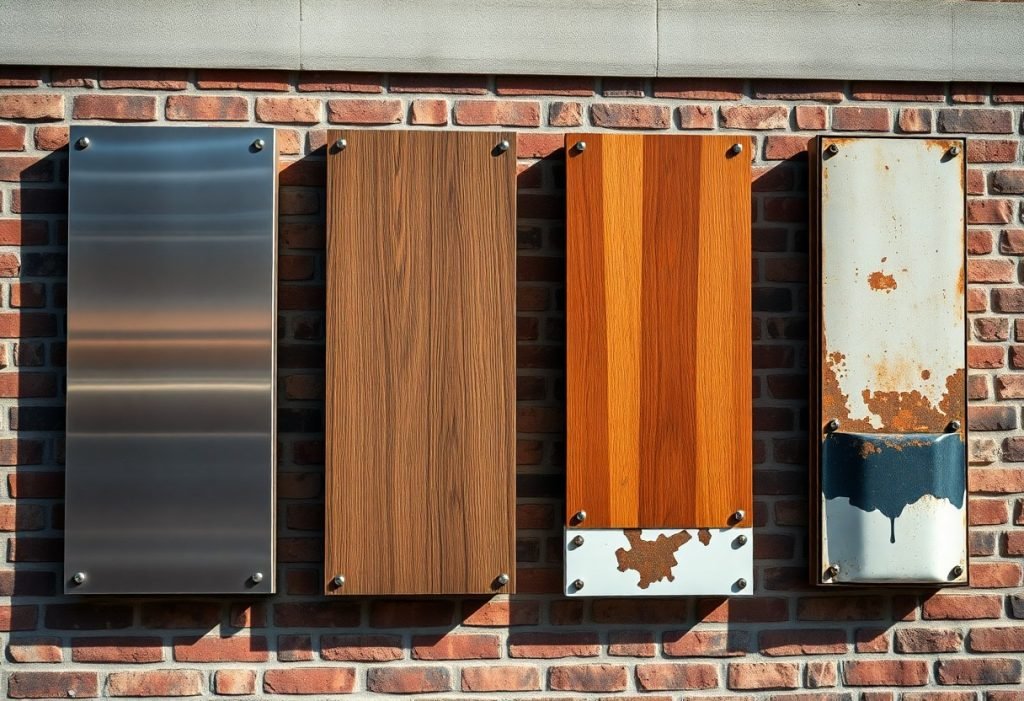
Exterior Sign Lifespan varies by material, and understanding how metals, plastics, wood, and composites weather over time lets you plan maintenance and replacement to protect your brand; you’ll learn expected service lives, environmental factors that shorten life, and how finish, mounting, and upkeep extend longevity so you can make informed, cost-effective choices for durable outdoor signage.
Key Takeaways:
- Aluminum: powder-coated or anodized aluminum signs typically last 10-30+ years; stainless steel offers 30+ years with minimal corrosion.
- Wood: painted or treated wood signs last about 5-15 years depending on species and maintenance; cedar and teak resist rot longer with sealing.
- Plastics & composites: PVC and HDU signs last roughly 5-20 years (HDU is more durable); acrylic resists impact but can yellow or crack without UV stabilization.
- Graphics & finishes: vinyl graphics and paint life vary-standard vinyl 3-7 years, premium UV-laminated systems 7-10+ years; quality coatings significantly extend appearance life.
- Illuminated signs: LED modules generally perform 5-15 years depending on quality and cooling; neon can last 10-30 years but requires regular maintenance and proper weatherproofing.
Common Materials Used for Exterior Signs
You’ll choose materials based on exposure, budget, and the maintenance window you can commit to; each option has predictable failure modes and service intervals. For example, a vinyl-wrapped storefront in Phoenix will fade faster than the same graphic in Seattle, so expect lifecycle estimates to vary by 30-50% depending on UV index, proximity to salt air, and mounting details.
Coatings, substrates, and installation details drive real-world performance: a sign with a PVDF (Kynar) finish and sealed fasteners will typically outlast a plain painted substrate by a decade, while periodic cleaning and a 3-7 year recoat or reseal schedule can push many materials past their nominal lifespan estimates.
Vinyl
Cast vinyl films (often used for vehicle graphics and high-end decals) generally rate 7-10+ years of outdoor durability, whereas calendared vinyl and budget films commonly last 3-5 years before noticeable shrinkage or cracking. Brands such as 3M and Oracal produce cast films that are rated for long-term exposure; laminating your print with a UV-stable overlaminate typically adds 2-5 years of useful life.
If you install vinyl, expect common failure points to be edge lift, micro-cracking from constant flex, and UV fade on printed color ramps; you should clean with mild detergent and avoid aggressive pressure washing at seams. In high-UV regions you’ll want cast film plus overlaminate and attention to edge sealing to reach the upper end of durability figures.
Wood
Cedar, redwood, and exterior-grade plywood are traditional choices; untreated or poorly finished wood signs often last only 3-7 years, while well-sealed cedar or redwood can last 10-15 years in favorable climates. You’ll notice that rot and delamination occur faster where moisture cycles are frequent, so joinery, edge sealing, and raised-mount details make a big difference in longevity.
Finishes determine much of the performance: a primer + two-component polyurethane topcoat or marine varnish applied with attention to end grain sealing will extend service life, and routine refinishing every 3-7 years prevents moisture infiltration. Fasteners should be stainless or hot-dipped galvanized in coastal installations to avoid staining and accelerated corrosion that shortens the sign’s life.
Species and substrate choice matter: cedar and redwood resist decay and insects better than pine, while marine-grade plywood or HDU (high-density urethane) are often used where rot is unacceptable-HDU can mimic carved wood but typically offers 15-25 years with paint, and that makes it a cost-effective alternative when you want wood aesthetics without frequent replacement.
Metal
Aluminum (powder-coated or anodized) is the most common long-life option-expect 10-30+ years depending on finish, with stainless steel often exceeding 30 years in non-aggressive environments. Steel with galvanization or a weathering steel (Corten) finish can deliver 10-20 years, but you’ll need to account for flaking paint, chalking, and edge corrosion without proper coatings.
Coating choice is decisive: PVDF/Kynar finishes carry 15-20 year performance expectations and superior color retention, while powder-coat systems with 60-80 micron thickness are typical for architectural signs. You should specify 316 stainless in marine settings to avoid pitting; otherwise 304 is adequate inland but will corrode faster near salt spray.
Practical details to plan for include thermal expansion and galvanic compatibility-use isolation washers between dissimilar metals and allow for expansion gaps in large panels. For reflective or regulatory signage you’ll also factor in retroreflective sheeting lifespans (generally 10-15 years) and schedule reapplication when luminance drops below spec.
Acrylic
Cast acrylic faces are commonly used for illuminated cabinets and channel letters and typically last 8-15 years when UV-stable grades are specified; extruded acrylic is cheaper but may yellow and craze sooner, often in the 5-8 year range. Thickness and edge treatment matter-1/8″ is common for small letters, while 1/4″ or thicker reduces sag and improves impact resistance for larger faces.
UV inhibitors and protective coatings materially change outcomes: specifying UV-stable cast acrylic or applying a UV-blocking laminate can delay yellowing and loss of optical clarity by several years. During installation you should avoid solvent welds that introduce stress cracks and ensure adequate ventilation behind illuminated faces to reduce internal heat buildup from LEDs, which accelerates discoloration.
If you need extra durability, consider polycarbonate only for impact-prone locations (it’s tougher but yellows faster unless treated), and request manufacturer warranties-many acrylic suppliers offer 7-10 year fade or breakage coverage when you specify the appropriate UV-stable grade.
Factors Affecting Sign Lifespan
Several external and human-driven factors determine how long your exterior sign will perform: material selection, installation quality, exposure level, and maintenance schedule all interact. For example, a powder-coated aluminum sign installed with proper drainage and stainless fasteners typically reaches the 10-20 year range quoted for that material, while the same panel left against a salt-spray wall and mounted with carbon-steel hardware can begin showing corrosion and finish failure within 3-7 years.
Specific variables you should watch include UV intensity, salt exposure, pollution, wind loading, thermal cycling, mechanical impact, and vandalism; each one accelerates particular failure modes (paint fade, galvanic corrosion, delamination, fastener shear, etc.).
- UV: high-sun regions can fade coatings and degrade polymers in 2-7 years without UV-stable finishes.
- Salt: coastal salt spray can halve expected corrosion life for unprotected steels within 5-10 years.
- Temperature swings: repeated freeze-thaw or wide daily temperature ranges drive joint and adhesive failures over 5-15 cycles per year.
- Wind and debris: signs exposed above 30 mph mean higher fatigue on mounts and faster loosening of fasteners.
Knowing how each factor affects specific materials lets you prioritize choices and targeted maintenance to extend service life.
Environmental Conditions
In full-sun, high-UV climates you should expect paint and vinyl lifespans to shorten: many standard solvent-based paints show perceptible fade or chalking within 3-7 years, whereas premium fluoropolymer or PVDF coatings can retain color and gloss for 15-25 years. Humidity and airborne pollutants (industrial SOx/NOx) chemically attack coatings and accelerate chalking and pitting on exposed metals, so placement near busy roads or factories reduces expected lifetimes relative to rural installations.
Coastal environments amplify corrosion risks; stainless steels like 316 and high-build epoxy primers are commonly specified there because they can resist pitting and crevice corrosion for decades, while plain galvanized or zinc-coated steels will exhibit rust streaking within 3-10 years without sacrificial maintenance. You should also factor microclimates – a sign tucked under an awning experiences much less UV and rain-driven wear than one on a sunlit façade, often doubling effective life expectancy.
Maintenance Practices
Routine cleaning, inspections, and timely repairs are some of the highest-value actions you can take to extend sign life. For painted or powder-coated surfaces wash with mild detergent and soft brushes quarterly in coastal/urban locations and annually in low-exposure areas; check and retighten fasteners every 6-12 months, and replace any corroded hardware with 316 stainless to avoid galvanic chains that accelerate deterioration.
Recoat cycles and component replacements should be scheduled based on material: expect to recoat or touch up aluminum and painted steels every 8-15 years depending on exposure, replace vinyl graphics every 5-7 years unless laminated, and inspect adhesives/sealants annually because UV and thermal cycling degrade bond lines more quickly than substrates. You must log interventions and track trends – early blistering, edge lift, or discoloration often predict larger failures within 1-3 years if left unaddressed.
For a practical maintenance plan allocate roughly 1-3% of the original sign cost annually for upkeep in moderate climates and 3-7% in high-exposure or coastal sites; this typically covers quarterly cleaning, an annual inspection, periodic fastener replacement, and a mid-life recoating or graphic replacement that can double or triple overall service life.
Comparison of Exterior Sign Lifespan by Material
| Material | Typical Outdoor Lifespan / Notes |
|---|---|
| Vinyl | Low-cost printed banners: 1-3 years; high-quality laminated vinyl (UV inks + 3M-type laminate): 5-10 years. Lifespan depends on UV exposure, ink type, and mounting (flat vs. stretched). |
| Wood | Cedar/redwood with marine finishes: 10-15 years; painted pine or untreated wood: 3-7 years. Species, sealant, and maintenance interval strongly influence durability. |
| Metal | Powder-coated aluminum: 15-25 years; stainless steel: 25+ years; galvanized steel: 10-20 years. Coastal salt air and poor coatings can halve service life. |
| Acrylic | Cast UV-stable acrylic: 10-15 years; extruded acrylic: 5-8 years. UV inhibitors, thickness, and backing (laminate or direct print) affect yellowing and crazing. |
Vinyl Signs
You can expect a wide range for vinyl: inexpensive banner vinyl printed with solvent inks will often fade or delaminate in 1-3 years under full sun, while premium calendared or cast vinyl with UV-stable inks and a UV laminate can push 5-10 years outdoors. In practical terms, fleet graphics on vehicles normally last 3-5 years before edge lifting or color loss, whereas storefront vinyl decals applied indoors or in shaded areas regularly exceed 7 years.
Your choice of adhesive, lamination, and print method matters: cast vinyl resists heat and conforming shapes better than calendared vinyl, and a 3M or equivalent overlaminate adds abrasion and UV protection that can increase life by 2-4 years. If you have high-UV exposure, specify UV-stable inks and ask for a 4-6 mil laminate and edge sealing to minimize lifting in corners and prolong the visible life.
Wood Signs
You will see the best longevity from dense, rot-resistant species such as cedar or redwood, especially when you combine a full wood-preservative treatment with two coats of exterior primer and two topcoats of marine-grade enamel or spar varnish; those assemblies commonly last 10-15 years. Conversely, untreated softwoods or signs that sit against wet soil usually deteriorate within 3-7 years, with paint peeling and boards checking.
Your application style changes outcomes: routed and carved signs that expose less flat surface area and get fresh paint into cuts can retain legibility longer than simple flat panels. Municipal examples often use 1-1.5″ thick cedar routed signs with edge sealing and metal standoffs; those installations frequently reach a dozen years before major restoration.
For maintenance you should plan on light touch-ups every 2-4 years-sanding weathered spots, reapplying a UV-blocking topcoat, and keeping fastener holes sealed dramatically extend service life; failing to reseal end grain is one of the fastest ways a wood sign fails.
Metal Signs
You’ll get long lifespans from metals when coatings and alloys are chosen for the environment: powder-coated aluminum signs typically last 15-25 years in urban settings, while 316-grade stainless steel can exceed 25 years in non-salty air. In coastal locations expect significant reduction-salt spray can reduce aluminum coating life to under 10 years unless marine-grade finishes or anodizing are used.
Your mounting and material pairings matter for corrosion control: galvanic corrosion between dissimilar metals (for example, using untreated steel bolts on anodized aluminum) will shorten life, and thin painted steel panels will rust through faster than galvanized or stainless assemblies. Commercial storefronts often use 0.125″ powder-coated aluminum panels for a 10-20 year practical lifecycle when properly detailed.
When you’re selecting metal, specify powder-coat systems with a documented ASTM fade/chalk rating (AAMA 2604/2605) if long color retention matters, and use marine-grade fasteners and sealed panel edges to prevent undercutting of the finish in aggressive climates.
Acrylic Signs
You should expect cast acrylic (PMMA) with UV inhibitors to perform for roughly 10-15 years outdoors before noticeable yellowing or micro-cracking appears; extruded acrylic and lower-cost sheets typically begin to show UV damage in 5-8 years. Backlit acrylic faces are particularly sensitive-heat from LEDs plus direct sunlight accelerates crazing and edge discoloration.
Your fabrication choices affect durability: thicker cast acrylic (6-10 mm) resists flexing and provides longer optical clarity than thin extruded panels, and specifying UV-stable grades or clear hardcoats can add several years. If impact resistance is a concern, know that polycarbonate outperforms acrylic for toughness but will yellow faster unless treated with UV coatings.
For upkeep plan gentle cleaning (mild soap, soft cloth) and avoid ammonia-based cleaners that accelerate crazing; if small scratches appear you can polish cast acrylic to restore clarity, which can be a cost-effective life-extension step for illuminated signage faces.
Best Practices for Extending Sign Lifespan
Focus on predictable maintenance and material-specific protection to get the longest life from your signs. You should schedule inspections at least twice a year-spring and fall-and after severe weather events; small issues like loose fasteners, cracked substrates, or edge corrosion identified early often prevent failures that would otherwise require full replacement.
Budgeting for routine upkeep pays off: a preventative maintenance plan that allocates roughly 5-10% of the original sign cost per year typically reduces total lifecycle expenses by limiting emergency repairs and extending service life by 30-50% depending on material and environment.
Regular Cleaning
You should clean non-porous sign faces every 3-6 months in urban or inland settings and monthly in coastal or industrial zones where salt, bird droppings, or airborne pollutants accelerate degradation. Use a pH-neutral detergent (0-14 scale: aim for ~7-9), soft microfiber or natural-bristle brushes, and warm water; this removes grime without stripping factory finishes or abrading printed graphics.
Avoid high-pressure washing above about 1,200-1,500 psi on painted or vinyl-faced signs-use low-pressure rinsing instead-and never use abrasive pads, concentrated bleach, or undiluted solvents on powder-coated or anodized surfaces. For graffiti removal, test a solvent on an inconspicuous area first and follow anti-graffiti coating manufacturer instructions to avoid damaging the underlying finish.
Protective Coatings
You should select coatings based on exposure: fluoropolymer (PVDF) topcoats meeting AAMA 2605 offer the best color retention and chalk resistance for severe UV or coastal exposure and commonly provide 20+ years of service; high-quality polyester powder coats (film thickness typically 60-120 µm) are cost-effective for milder climates and generally last 10-15 years. Anodized aluminum (oxide layer often 5-25 µm) resists corrosion and is a good choice when metal appearance matters.
Apply coatings per manufacturer specifications-surface prep, pretreatment, and correct cure cycles determine real-world performance-and plan recoat or touch-up cycles: for example, PVDF can often go 10-15 years before minor touch-ups, whereas standard polyester may need repainting at year 7-10 in harsh sunlight. For vandal-prone locations, use sacrificial or non-sacrificial anti-graffiti coatings; sacrificial films are removed and replaced after cleaning, while non-sacrificial coatings resist solvents and allow repeated cleanings.
More detail on protective selection: if your signs sit within 1 mile of saltwater choose stainless steel or PVDF-coated aluminum and specify marine-grade fasteners (316 stainless) to avoid crevice corrosion; inland commercial or suburban signage can use polyester powder coat or a clear acrylic overprint for graphic protection. When specifying, include expected service-life targets (e.g., 15 or 20 years) in procurement documents and require warranty language tied to standards like AAMA 2604/2605 so you get measurable performance rather than vague color-fade promises.
Cost Considerations
Initial Investment
Budgeting for materials and installation typically represents the largest portion of your upfront spend: a simple routed PVC or HDU sign (2-3 ft²) can run $150-$600, an aluminum composite panel sign (4×8 ft) commonly costs $300-$1,200, and illuminated channel letters often fall between $150-$600 per letter depending on size and LED complexity. Fabrication choices such as powder-coating, anodizing, specialty paint, or custom CNC routing add $50-$400+ to base material costs, while premium metals like stainless steel or bronze can multiply material cost by 2-4x versus aluminum.
Installation, permits, and electrical work are commonly overlooked but significant: a straightforward wall-mount installation may be $100-$500, while structural mounting, roof installs, or full electrical hookups frequently push projects into the $1,000-$10,000+ range. If you’re replacing multiple locations, leveraging volume pricing and standardized designs can cut per-sign fabrication by 10-30%, and factoring in local permit fees ($50-$500) and sign inspections up front prevents surprise costs.
Long-term Value
Evaluating long-term value means looking beyond sticker price to maintenance, energy, and replacement cycles. Powder-coated aluminum typically requires minimal upkeep and can span 10-30+ years, lowering lifetime cost; stainless steel often exceeds 30 years with little corrosion-related expense. Conversely, painted wood or low-cost plastics may need refinishing or replacement every 3-10 years, with refinishing costs commonly $200-$800 each cycle for medium-sized signs. For illuminated units, LED modules usually last 50,000+ hours, but you should budget $50-$300 periodically for driver or module replacements and factor small but steady energy use-roughly $3-$15/month for a typical small LED sign depending on run hours and local electricity rates.
Over a 10-15 year horizon, you can quantify ROI by comparing total cost of ownership: add initial cost + cumulative maintenance + energy + periodic replacements, then divide by years of service to get an annualized cost. For example, switching from wood (initial $1,200; two refinishings at $500 each over 10 years) to powder-coated aluminum (initial $2,400; minimal maintenance) raises upfront spend but can cut your 10-year annualized cost by roughly 30-50% while improving brand consistency-an outcome many retailers report when standardizing on low-maintenance metals. Aligning material choice with expected service life and brand priorities lets you justify higher initial investment when the long-term economics and visual durability support it.
Environmental Impact of Sign Materials
Sustainability
Assessing the environmental footprint of each material shows clear trade-offs: aluminum offers exceptional recyclability and, when recycled, requires roughly 95% less energy than producing primary aluminum, while steel recycled content can cut production energy by about 60-74%. Conversely, rigid PVC and many vinyl films contain chlorine and phthalate additives that complicate recycling and can release harmful emissions if incinerated. You should factor embodied energy and expected service life together – a powder‑coated aluminum sign that lasts 20-30 years often has a lower lifetime impact than a cheaper PVC panel that needs replacement every 5-7 years, even if the PVC has a lower initial carbon intensity.
Many manufacturers now offer materials with 30-80% recycled content (common for aluminium facings and some steels) and certification options such as FSC for woods or third‑party recycled content verification for metals and plastics. You can also extend a sign’s sustainability profile by choosing modular designs and LED modules that are replaceable; swapping a failed LED array instead of replacing the entire cabinet often extends useful life by 5-10 years. For a practical breakdown of durability and material choices when optimizing for both lifespan and environmental impact, consult the Commercial Signage Materials: Durability Guide.
Disposal Options
Recycling should be your first option: aluminium sheets, steel frames, and HDPE posts are commonly accepted at scrap yards and municipal recycling facilities, while acrylic and polycarbonate can sometimes be reclaimed by specialty processors. Composite panels with a polyethylene core (e.g., ACM) are harder to recycle intact – you can strip and recycle the metal skins but the polymer core often ends up as plastic residue. Vinyl graphics (PVC) and solvent‑based inks usually require specialized collection or chemical recycling streams; otherwise they may be managed as construction waste with limited recovery.
Refurbishment and reuse are often the most effective disposal strategies for reducing waste. You can reface cabinet signs, re‑powder coat aluminum panels, and retrofit LED inserts to keep structural components in service. Municipal sign shops and many commercial sign fabricators routinely extend asset life this way, sometimes saving 30-50% of replacement costs and substantially lowering material throughput compared with full replacement.
For practical steps, start with an inventory that separates metals, plastics, electronics, and treated wood; remove and collect LED drivers and control electronics as e‑waste; contact local metal recyclers for aluminum/steel and ask about pre‑sorting requirements for composite materials; check resin identification codes on plastics and confirm curbside acceptance for HDPE or acrylic; and inquire with your sign supplier about take‑back or refurbishment programs to close the loop and document compliant disposal.
Final Words
Summing up, the material you choose is the single biggest factor in how long your exterior sign will last: metals like stainless steel and well-finished aluminum often give you the longest service life (decades with proper coatings), composites and high-density urethane offer a balance of durability and cost (a decade or more), while wood, acrylic, PVC and vinyl tend to require more frequent upkeep or replacement (typically a few to ten years) depending on exposure and finishing. For illuminated signs, LED modules generally provide longer, more predictable life spans than older neon systems, though both depend on quality of components and protection from the elements.
You should pick materials based on your local climate, expected maintenance level, and total cost of ownership rather than upfront price alone; invest in quality finishes, proper installation, and periodic inspections to extend life, and use warranties and replacement schedules when budgeting so your sign continues to represent your brand reliably over time.
FAQ
Q: What is the typical lifespan of aluminum exterior signs?
A: Lifespan varies by finish and environment. Powder-coated or anodized aluminum signs typically last 15-25 years with proper finishing and periodic cleaning; bare or thinly coated aluminum may show corrosion or chalking within 5-10 years in harsh climates. Factors that shorten life: constant UV exposure, salt air, industrial pollutants, mechanical damage, and poor mounting that traps moisture. Protective measures that extend life: high-quality powder coat or anodize, UV-resistant inks/films, stainless hardware, and routine washing to remove salt and dirt.
Q: How long do acrylic (plexiglass) exterior signs last?
A: UV-stabilized acrylic can last 7-15 years outdoors before significant yellowing, surface crazing, or loss of gloss occurs. Non-UV-stabilized acrylic deteriorates faster (3-7 years). Thickness, backing, and installation method matter: thicker panels resist impact and thermal flexing; laminated graphics with UV laminate extend visual life. Heat, prolonged sunlight, and abrasive cleaning shorten useful life; using UV-protective coatings and mounting out of direct southern exposure increases longevity.
Q: What lifespan should I expect from wood exterior signs?
A: Natural wood signs vary widely: softwoods (pine) with paint or stain may last 3-7 years; rot-resistant species (cedar, redwood, teak) with good finishes can last 10-20 years or longer. High-density routed wood (HDU) used for signage resists rot and typically lasts 7-15 years with protective coatings. Longevity depends on species, finish quality, surface preparation, and protection from ground contact and standing water. Regular re-sealing, repainting, and proper drainage/mounting substantially increase service life.
Q: How long do PVC, HDU, and aluminum composite (ACM) signs last?
A: Expanded PVC (Corrugated or Foam PVC) generally lasts 3-7 years outdoors before warping, fading, or brittleness; thicker sheets perform better. High-Density Urethane (HDU) resists moisture and rot and typically lasts 7-15 years depending on coatings. Aluminum composite material (ACM) panels with quality faces and core usually last 10-20 years; edges and seams need proper sealing to prevent delamination. Choose material based on wind loads, exposure, desired texture, and maintenance capacity.
Q: Which environmental factors most affect sign lifespan and what maintenance extends it?
A: Key factors: UV radiation (fades inks, degrades polymers), moisture and freeze-thaw cycles (rot, delaminate), salt spray (accelerates corrosion), wind/abrasion (physical damage), and pollutants/chemicals (surface degradation). Maintenance practices that extend life: regular cleaning with mild detergents, annual inspections for fasteners and seals, reapplication of UV-resistant topcoats or laminates, prompt repair of scratches or edge damage, and selecting materials and finishes matched to the local climate (e.g., marine-grade alloys/coatings for coastal sites).