
signs with illuminated elements often face limits on brightness, hours of operation, and lighting type to prevent glare and light pollution. You need to know how restrictions-maximum luminance, curfews, bans on flashing or animated displays, directional shielding, zoning-specific prohibitions, and permit requirements-affect your signage choices.
Key Takeaways:
- Cities commonly limit maximum brightness (nits/luminance) with lower nighttime caps and required automatic dimming controls.
- Operational hours are restricted-many ordinances require signs to be off or dimmed during late-night hours to reduce light pollution.
- Flashing, rapidly changing, scrolling, or animated lighting is often prohibited or tightly restricted to prevent driver distraction.
- Rules on light spill and glare mandate shielding, directional aiming, setback distances, and maximum lux at property lines to protect adjacent properties and roadways.
- Zoning-specific rules and permitting: different standards by zone (residential, commercial, downtown), size/height limits, separation distances, and inspection/enforcement requirements.
Overview of Sign Lighting Restrictions
You’ll find that most municipalities regulate sign lighting through measurable controls-maximum luminance, timed operation, shielding, and required dimming-rather than vague aesthetics. For example, ordinances often combine numeric night limits (commonly 300-600 nits for LED faces), mandatory ambient-light sensors, and zoning-specific curfews or reduced intensity in residential districts. Enforcement typically occurs at permitting, during inspections, and via citizen complaints, with noncompliance triggering fines, retrofit orders, or revocation of display permits.
Definition of Sign Lighting
Sign lighting covers any illumination used to make a sign visible: internally lit channel letters, backlit cabinet signs, externally illuminated painted signs, neon, and dynamic LED displays. You should track metrics like luminance (nits/cd·m⁻²), color temperature (Kelvin), glare, and flicker rate, since codes reference those values when specifying maximum brightness, allowable colors, and required automatic dimming or cutoffs to limit visual intrusion.
Importance of Sign Lighting Regulations
You must balance commercial visibility with public safety, energy use, and neighborhood character; poorly controlled lighting increases glare, distracts drivers, and raises light pollution. Cities that adopt numeric limits and dimming tech often see measurable reductions in complaints and energy consumption. Effective rules also protect property values and tourism by preventing visual clutter in historic or scenic districts while still allowing businesses to advertise after dark.
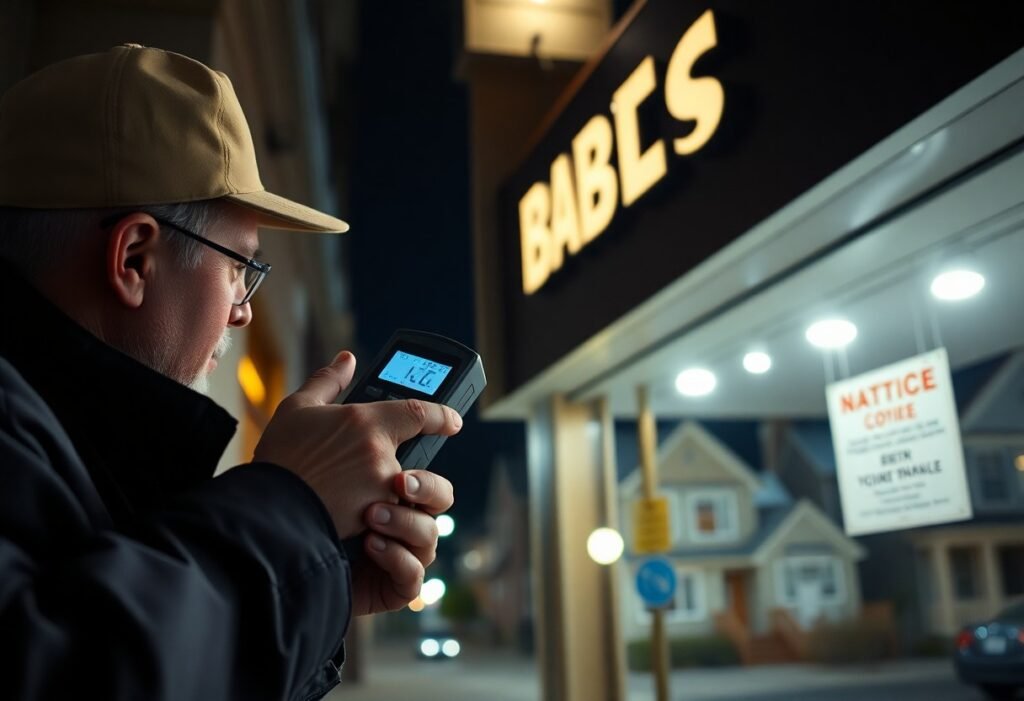
In practical terms you should expect rules that specify how to comply: automatic dim-to-levels tied to ambient lux, shielding to prevent spill beyond property lines, timing controls or residential curfews (commonly late-night reductions), and permitting that requires photometric plans. Municipal examples show inspectors verifying nits with handheld meters and requiring loggable dimming schedules, so plan designs and contracts around measurable performance, not just appearance.
Common Sign Lighting Restrictions
Municipal codes typically layer brightness, timing, color and siting rules so your sign is visible without creating glare or safety hazards; many require automatic dimming, night curfews (often between 10-11pm and 6am) and measurement in nits or foot‑candles. You should also review state-level differences – see How Do State Sign Regulations Differ State to State? for comparative examples and variations.
Brightness Limits
You’ll encounter numeric luminance caps: daytime allowances commonly range 1,000-4,000 nits while nighttime caps often fall between 200-500 nits, with some jurisdictions fixing a 300‑nit night limit. Measurement is usually with a calibrated photometer at a specified distance, and you may be required to install automatic dimming tied to ambient sensors or to reduce brightness after a set hour.
Color Restrictions
You may find bans on colors that mimic emergency or traffic signals-especially flashing red or blue-and limits on highly saturated hues near residential areas; several ordinances also limit correlated color temperature (CCT) to roughly 3,000-4,000K to curb blue‑rich light at night. Animated, rapidly shifting color sequences are often treated separately and restricted more tightly than static palettes.
Digging deeper, jurisdictions commonly require minimum message hold times (frequently 6-10 seconds) to prevent rapid color cycling, prohibit scrolling or strobing that could distract drivers, and enforce color rules within buffer zones adjacent to roadways and emergency facilities; enforcement combines on‑site photometric testing, permit reviews and complaint‑driven inspections, so your design should anticipate both technical specs and operational limits.
Hours of Operation for Sign Lighting
Municipal hours often limit sign lighting to periods tied to activity and comfort: common windows are sunrise-11:00 PM or fixed ranges such as 6:00 AM-11:00 PM, and some codes permit illumination only while the business is open. You should verify zone-specific schedules because downtown commercial areas frequently allow extended or 24-hour lighting, whereas residential-adjacent corridors typically impose earlier shutoffs or stricter dimming requirements.
Permitted Lighting Times
Many ordinances let you illuminate signs during business hours-examples include 7:00 AM-10:00 PM in suburban codes or sunrise-sunset in park zones. Retail districts often allow full luminance (75-100%) during peak hours, while special districts prescribe tighter windows; emergency services, transit hubs, and gas stations are commonly exempt and may operate outside standard permitted times.
Curfews and Exceptions
Curfews usually require dimming or extinguishing between about 10:00-11:00 PM and 6:00 AM, with typical post-curfew reductions of 30-75% rather than full shutdown. You will find exceptions for safety, transit, and vital services, but those often require separate permits, documentation, or additional mitigation like shielding and lower color temperatures.
To comply you can employ timers, photocells, or programmable controllers that step luminance to required levels; enforcement often relies on nighttime lumen or candela measurements and documented complaints. If you need 24-hour operation, pursue a variance with a mitigation plan-examples that sway approvals include shielding, color temperature ≤3000K, capped lumen outputs, and a neighborhood impact assessment.
Types of Signs Affected by Lighting Regulations
Municipal codes differentiate sign types because their impacts vary: billboards, channel-letter storefronts, illuminated awnings, pole signs and monument signs each face different brightness caps, setback and timing rules. You’ll see ranges such as luminance limits of 50-300 cd/m², minimum setbacks of 10-500 ft near homes, and mandated dimming after 11:00 p.m. in many downtowns. After checking local ordinances, use the table and list below to identify which category applies.
- Billboards (static and digital)
- Channel-letter / storefront signs
- Pole / pylon signs
- Monument / ground signs
- Awnings and canopy lighting
| Billboards (digital/static) | Digital often limited to 150-300 cd/m², minimum dwell 4-10s, 500 ft residential buffers and permit/annual fee requirements you must meet |
| Channel-letter / storefront | Common caps 100-200 cd/m², color and halo-lighting controls, mandatory auto-dimming after 11:00 p.m. in many downtowns |
| Pole / pylon signs | Measured at property line; typical max 150-250 cd/m², height and setback limits (10-50 ft) to reduce glare toward homes |
| Monument / ground signs | Lower-profile limits (50-150 cd/m²), landscaping requirements, and restrictions to prevent light spill into adjacent residences |
| Awnings & canopies | Backlit fabric usually capped ~50 cd/m², hours tied to business operation, and flashing or moving lights frequently prohibited |
Commercial Signs
Your commercial signs-pylon, channel letters, digital billboards-face the strictest measurable controls: expect LED luminance caps commonly between 150-300 cd/m², digital dwell-time rules (4-10 seconds), required dimming after 11:00 p.m., and permit fees typically from $200 to $1,500 plus engineering photometric reports you must submit.
Residential Signs
Your residential signs-yard, address and small HOA markers-are usually limited to low-intensity illumination (often under 50 cd/m²), static lighting only, short operating hours, and height limits (commonly under 4-6 ft for yard signs) to prevent light intrusion into homes.
You should anticipate additional layers: many municipalities ban internally illuminated cabinets in single-family zones, allow only non-flashing solar or low-voltage LEDs, and require variances for larger illuminated displays; fines for violations commonly range from $100-$500 per offense and HOAs often impose stricter standards than the city.
Variances and Exceptions
When standard rules create an undue burden, you can pursue a variance or exception to modify brightness, hours, color, or size limits. Municipalities typically require proof of unique site conditions, aesthetic hardship, or public benefit; fees commonly range $200-$1,500 and review times run 4-12 weeks. Decisions often attach conditions-reduced lumen caps, time-of-night dimming, or temporary permits-so you should prepare mitigation measures and a clear justification packet to improve approval odds.
Application Process
You usually start with a pre-application meeting, then submit site plans, scaled elevations, a photometric diagram showing lux levels, materials samples, and an application fee. Cities often require neighbor notification and a public hearing; typical timelines are 30-90 days from submission. Be ready to supply traffic or safety studies, propose mitigation (timers, shielding), and anticipate a trial period or appeal window if the board imposes conditions.
Common Justifications
You’ll commonly cite hardship (site geometry, topography), safety (improving sign legibility at intersections), economic necessity for tenant viability, or preservation of historic character to justify exceptions. Municipal boards often accept evidence such as pedestrian counts, collision data, economic impact statements, or lease-driven signage needs to support a variance request.
For example, jurisdictions may permit warmer 2,700-3,000K LED tones for landmark theaters, allow a 10-30% lumen increase where building setbacks exceed ~50 feet, or grant temporary brightening for 7-30 day events. You should include before-and-after photometrics, neighbor outreach documentation, and at least one mitigation measure to address likely objections.
Case Studies of City Ordinances
Across municipalities, case studies show how numeric caps, timing windows, setbacks and enforcement shape outcomes for you as a sign owner; these real-world rules reveal what you must design for, permit, and operate to stay compliant.
- Los Angeles (pop. ~4M): daytime cap ~300 cd/m² (nits) and nighttime cap ~100 nits in many commercial zones; permitted hours typically 6:00-23:00; required automatic dimming sensors; fines range $250-$2,500/day for violations.
- New York City (pop. ~8.4M): digital displays must auto-dim after dusk to ~200 nits, switch content with transition ≤2 seconds, and meet 50-100 ft setback in residential adjacencies; enforcement includes daily fines and permit suspension.
- Chicago (pop. ~2.7M): buffer requirement often 300 ft from single-family residential; max sign height 50 ft for illuminated signs; luminance controls commonly 400 nits day / 150 nits night; noncompliance can trigger removal orders.
- Austin (city limits ~1M metro): stringent restrictions on off-premise digital billboards-many zones prohibit them outright; on-premise LED faces frequently limited to ≤50 nits after sunset in residential edges; penalty structures include daily fines or mandatory deactivation.
- Phoenix (pop. ~1.6M): typical daytime cap ~350 nits, mandatory ambient-light sensors and automatic dimming, restricted illuminated hours near residential areas (e.g., sunset-22:00); citations commonly $250-$1,000 per day plus corrective orders.
Notable Examples
In entertainment districts like Las Vegas you’ll see allowances up to ~1,000 nits in designated corridors to preserve vibrant nighttime character, while European cities (e.g., central London) often limit signage to 600 cd/m² daytime and 200 cd/m² night plus strict aesthetic controls, forcing you to balance visibility against tighter public realm standards.
Impacts of Regulations
Regulations directly affect your design and operating costs: you can expect upfront compliance expenditures from a few hundred to tens of thousands of dollars for dimming controls, sensors, and engineering; operationally, mandatory curfews and dimming lower energy use-often 30-60% versus full-bright operation-while noncompliance risks daily fines and removal.
Enforcement relies on measurable metrics you must meet: jurisdictions typically use lux meters or cd/m² (nits) readings, require permit processing times of 4-12 weeks, and grant variances in roughly 10-25% of cases depending on demonstrated hardship; tracking sensor logs and having documented dimming schedules materially reduces dispute risk and speeds inspections.
Conclusion
Now you should know that cities commonly restrict sign lighting by limiting hours of operation, controlling brightness (lumens/candela) and glare, banning flashing or animated displays, restricting colors near residences or airports, requiring shielding and directional aiming, setting mounting height and setback rules for your sign, imposing energy-efficiency standards, and enforcing permits, inspections, and special rules in historic districts.
FAQ
Q: What types of sign lighting do cities commonly regulate?
A: Cities differentiate lighting by technology and mounting: internally illuminated signs (channel letters, backlit cabinet signs), externally lit signs (barn lights, floodlights), neon and plasma, LED modules and strips, electronic message centers (EMCs) and video screens, halo/edge lighting, and pathway/ground lighting. Regulations often treat static and dynamic displays differently, restrict certain types in historic or residential zones, and require specific materials, shielding, or installation methods for each category.
Q: How do municipalities control brightness and luminance for illuminated signs?
A: Jurisdictions set measurable limits-often in nits (cd/m2), foot-candles, or luminance at the property line-based on zone and context. Typical approaches: daytime vs. nighttime caps for electronic signs (common daytime ranges: several hundred to 1,000+ nits; nighttime reduced to a few hundred nits or lower), maximum candela per square meter for static signs, and ambient-adjusted limits enforced with automatic dimming. Permits usually require photometric reports showing compliance and sensors or timers to ensure night reductions.
Q: What kinds of time-of-day or operating-hour restrictions apply to sign lighting?
A: Many codes restrict illumination hours to business hours or impose curfews (for example, requiring dimming or shutoff after a specified late-night hour). Some areas permit 24/7 lighting for wayfinding or safety signs but require reduced intensity overnight. Seasonal exceptions, holidays, and emergency/transportation signage may be treated differently. Cities commonly require automatic timers or adaptive controls to ensure limits are met outside normal hours.
Q: How do regulations address light spill, glare, and impacts on neighboring properties or drivers?
A: Rules set limits on off-site light trespass and glare, often quantified as a maximum illuminance at property lines (typical residential adjacency limits are low, e.g., a fraction of a foot-candle) and require shielding, cut-off fixtures, directional aiming, and mounting height controls. Standards also address color temperature (many limit LEDs to warmer K-values in sensitive areas), prohibit direct-view glare toward streets and residences, and ban animated or flashing effects that could distract motorists.
Q: What permitting, compliance, and enforcement measures do cities use for illuminated signs?
A: Cities generally require permits with detailed plans: scaled drawings, mounting details, electrical diagrams, and photometric data for lighting. Inspections verify installation and operational controls (dimmers, timers, sensors). Noncompliance can trigger notices, fines, required modifications, or removal. Codes provide procedures for variances or conditional approvals, special rules for nonconforming signs, and stricter standards in historic districts, residential zones, and near sensitive uses like hospitals and parks.