
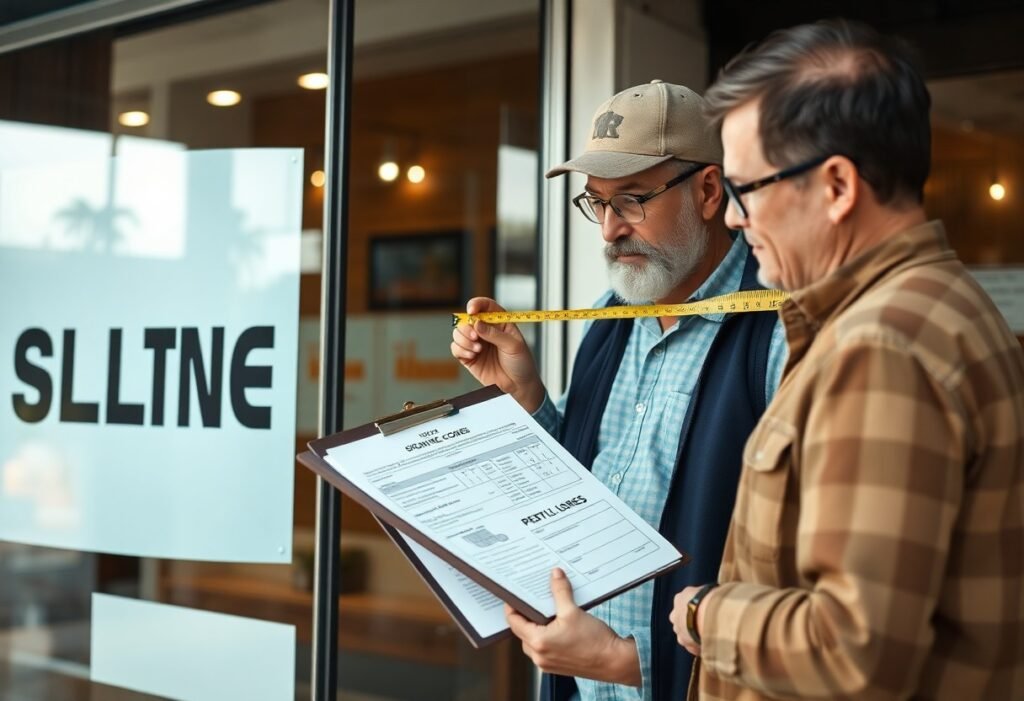
With sign regulations varying by zoning, municipality, and state, you need to confirm allowable size, placement, height, lighting, materials, and permit requirements before installing or altering signage. You should verify setback and sight-line rules, illumination and electrical standards, historical-district restrictions, and temporary sign limits to avoid fines or forced removal, and coordinate with planners or code officials to ensure compliance.
Key Takeaways:
- Obtain required permits and approvals before installing signage; application types, fees, review timelines and inspections vary by jurisdiction.
- Adhere to size, height, setback and placement limits dictated by zoning districts to avoid violations or forced removal.
- Follow illumination and electronic sign rules-brightness, hours of operation, animations and message change rates are commonly restricted, especially near residences or historic areas.
- Use approved materials and secure mounting to meet structural, wind and electrical safety standards; perform regular maintenance and remove hazards promptly.
- Know enforcement procedures, penalties and options for variances or grandfathering; noncompliance can result in fines, removal orders or required modifications.
Importance of Business Sign Codes
You need sign codes to protect safety, predictability and property values: permits and setbacks prevent sidewalk obstructions and sight-line hazards, illumination limits reduce glare for drivers, and uniform size/color rules keep commercial corridors attractive. Typical permit fees range $25-$500 and review times often run 2-12 weeks, so planning ahead avoids costly delays or forced removals that can shutter a storefront for days or weeks.
Legal Compliance
You must follow application, inspection and permit procedures set by planning or building departments; common requirements include sealed drawings, structural calculations for mounted signs, and proof of insurance. Violations can trigger fines (commonly $50-$1,000 per day in many jurisdictions), stop-work orders or mandatory removal within 7-30 days, so submit complete plans and track review timelines to stay compliant.
Protecting Community Aesthetics
You should expect dimensional, material and lighting standards aimed at preserving character: many downtowns cap sign area at 32-64 sq ft, restrict externally illuminated signs to warm color temperatures (≤3000K) and limit brightness to specified foot-candle levels. Specific design guidelines-like requiring wood or metal over plastic in historic districts-help maintain a consistent streetscape that benefits all tenants.
You can increase approval odds by coordinating with design review boards, providing full-scale mockups and photometric plans, and choosing materials that age well. Municipal review often asks for elevations, mounting details and proposed illumination measured in foot-candles; providing those upfront typically cuts review iterations from 3+ rounds to one or two, speeding installation and reducing revision costs.
Types of Business Signage
You’ll encounter five common categories-wall/facade, freestanding/monument, window, projecting/blade, and awning-each governed by placement, illumination, and size rules; municipal codes often use frontage-based formulas (for example, 1-2 sq ft per linear foot) or flat caps (commonly 32-50 sq ft). You should expect electrical permits for illuminated channel letters and time limits for banners; enforcement often targets obstructive sidewalk signs. Assume that local zoning will set area, height, illumination, and permit timelines.
- Wall / Facade
- Freestanding / Monument
- Window
- Projecting / Blade
- Awning
| Type | Typical use / restrictions |
|---|---|
| Wall / Facade | Mounted to building face; often limited by frontage formulas or flat area caps and subject to illumination rules. |
| Freestanding / Monument | Ground-mounted; height and setback commonly limited (frequently 6-8 ft max height in many suburbs). |
| Window | Interior or vinyl lettering; percentage-of-glass limits (often 25-50%) and temporary display rules apply. |
| Projecting / Blade | Perpendicular signs for visibility; clearance over sidewalks and maximum projection distances are standard requirements. |
Permanent Signs
You must obtain building and sign permits for most permanent installations; common materials include aluminum, acrylic faces, and channel letters with LED backlighting. Codes frequently limit sign area by frontage-examples include 1-1.5 sq ft per linear foot or a flat 32-50 sq ft cap-and set height, setback, and illumination standards. Historic districts may require design review and approval, and illuminated signs will trigger electrical inspection requirements.
Temporary Signs
Temporary signs (banners, A-frames, yard signs) are often allowed with strict time and placement limits-many ordinances permit 30-90 day displays and size limits (commonly under 32 sq ft); blocking sidewalks or sight triangles is typically prohibited. You should log display dates and check whether political or real estate signs have separate exemptions.
More detail: municipalities frequently restrict temporary banners to specific seasons or promotional periods (for example, two 30‑day banners per year), and some require permits for banners over a threshold (often 32 sq ft). A‑frames commonly must be placed within 3 ft of the building face and be no larger than about 6 sq ft per side to avoid pedestrian obstruction. Repeated or continuous temporary displays can be treated as de facto permanent signs and face enforcement or amortization; filing short-term permits where available reduces violation risk.
Zoning Regulations
Zoning maps and overlay districts determine which sign types you can install, where, and how large. Municipal codes split areas into designations like R-1 (residential), C-2 (commercial), and downtown cores with specific rules for illumination, historic preservation, and highway frontage. In practice, you’ll consult the official zoning map, site plan, and any special district criteria before designing signs to avoid costly rework or fines.
Identifying Zoning Classifications
Check your municipal zoning map and code to find classifications-common labels are R-1, R-2, C-1, C-2, M-1, and mixed-use. You can often lookup parcel zoning online or call planning staff. For example, C-2 zones typically permit freestanding signs, while R-1 often limits signage to small nameplates or building-mounted signs; historic overlays may prohibit LED or animated signs entirely.
Sign Size and Location Limitations
Many codes cap sign area to 32-100 sq ft depending on zone, set height limits (6-20 ft for freestanding), and require setbacks of 5-20 ft from property lines or rights-of-way. Another common rule ties allowance to frontage-1 sq ft per linear foot of street frontage up to a maximum. You should measure sign face and orientation per the code’s measurement rules before ordering fabrication.
Measurement details matter: sign area often excludes structural supports but includes all copy; height is measured from grade to top of sign. Temporary signs, real-estate riders, and directional signs usually have separate, smaller caps (e.g., 6-15 sq ft). Visibility triangles and sight-distance rules can force lower placement near intersections. If your design exceeds limits, you can apply for a variance-municipal examples show approvals raising area from 32 to 50 sq ft for corner storefronts.
Permitting Process
Permits typically require a planning review plus building and often electrical approvals, with municipal timelines commonly between 2-8 weeks for routine signs. You’ll face fees from roughly $50 to $1,000 depending on scope and must submit site plans, scaled elevations and material specs. Many jurisdictions limit sign area-often about 10% of the façade or 32-50 sq ft-and impose setback and height caps, so checking those numeric limits up front saves time.
Requirements for Obtaining Permits
You must provide a completed application, property site plan with dimensions and setbacks, scaled sign elevations (1/4″ = 1′-0″ is common), manufacturer specs, and structural calculations when a sign exceeds about 50 pounds or projects from the facade. Include electrical schematics for illumination, proof of ownership or landlord consent, photos of the existing condition, and payment; omissions on this checklist are the most frequent source of delays.
Common Permit Denials
Denials most often arise from exceeding size, height or setback limits, improper illumination levels, lack of tenant or landlord authorization, or placement within a historic district. You’ll also encounter rejections for signs obstructing sight lines at intersections or missing required engineering stamps. For example, many municipalities deny freestanding signs taller than 15 feet or larger than a 50 sq ft cap without an approved variance.
After denial, obtain the written decision and correctable item list, then revise and resubmit plans-typical fixes include shrinking area by 10-30%, switching to non‑illuminated signage, or relocating to meet setbacks. If code relief is needed, pursue a variance or administrative appeal; appeal windows usually run 14-30 days and can add 4-12 weeks to the timeline. Engaging a local planner or experienced sign contractor typically improves outcomes and speeds approval.
Special Considerations
When planning your sign, pay attention to local setbacks, size caps, and permit windows-many cities cap temporary signs at 6 sq ft and require permits within 30 days of installation. You should check lighting, electrical inspections, and ADA access, and consult resources like Is Your Commercial Sign Legal? for case studies where businesses faced $1,000 fines for noncompliant digital displays; resolving issues often takes 2-6 weeks with the permitting office.
Illuminated and Digital Signs
When you choose illuminated or digital signage, check brightness limits-municipalities commonly restrict LED displays to 300-1,000 nits with mandatory automatic dimming after dusk. Also expect requirements for static-image dwell times (e.g., 8-10 seconds), electrical permits, and light-spill measurements; violations have led businesses to pay fines of $250-$2,000 or remove displays entirely. Coordinate with your installer to document lumen output and dimming controls for permit approval.
Signage in Historic Districts
In historic districts you’ll face design reviews, material restrictions, and limits on illumination; many commissions prefer wood, hand-painted signs, and forbid internally lit cabinet signs. Local review boards often require submitted mockups, photos, and precedents-approval can take 30-90 days-and noncompliance has produced mandated restorations costing thousands. Consult local guidelines early to avoid delays.
Expect to apply for a Certificate of Appropriateness or similar permit; sign area is often limited to 15-25% of your storefront façade, and mounting styles (blade, pin-mounted) are preferred over box signs. You should provide material samples, color palettes, and historic precedents-cities like Savannah and Charleston commonly enforce these rules and have denied applications lacking period-appropriate fonts or hardware-so plan designs that echo historic proportions to gain faster approvals.
Consequences of Non-Compliance
If you ignore sign codes, expect administrative orders, fines, and mandatory removal within tight timeframes; municipalities commonly demand correction within 48-72 hours and can assess daily penalties until compliance. Escalation may include permit revocation, stop‑work orders, or civil litigation, and repeated violations often trigger higher fines and possible criminal charges in some jurisdictions.
Fines and Penalties
Municipal fines typically range from $50 to $5,000 per violation, with many codes adding daily penalties-$100-$500 per day-until you remedy the issue. You can also face stop‑work orders, forfeiture of the sign, misdemeanor citations, and bond requirements; a first unpermitted installation often doubles overall costs once removal, reapplication, and legal fees are included.
Business Impact
Non‑compliance can reduce foot traffic, delay openings, and raise operating costs; permit rejections or removal orders commonly postpone a launch by 2-8 weeks, which can erode initial sales and marketing momentum. You also face added expenses for retrofits, emergency removals, and potential legal defense, all of which compress cash flow during critical growth phases.
Beyond immediate expenses, your brand reputation can suffer when signage is removed or obscured and customer confidence declines. Insurance claims may be denied for unauthorized installations, and corrective work-electrical upgrades, structural reinforcement, or custom fabrication-often costs $2,000-$20,000 depending on scope. You might also encounter liens or delayed certificates of occupancy that complicate leasing and financing.
Final Words
Taking this into account, you should verify zoning restrictions, permit requirements, size and height limits, illumination and electrical rules, material and safety standards, and historic-district or streetscape guidelines; ensure your signage meets ADA and visibility requirements, submit accurate plans for approval, maintain signage and remove damaged signs, and be aware of fines for violations-consult local code or a sign professional to avoid delays and costly corrective actions.
FAQ
Q: What local approvals and permits do business owners need before installing a sign?
A: Start by checking municipal zoning and sign ordinances at the city or county planning department. Most jurisdictions require a sign permit that verifies size, height, placement, and lighting comply with the zoning district’s allowed signage. You may need building permits or electrical permits for illuminated or mounted signs, and a separate historic-district approval if the property is in a designated area. Application steps typically include submitting scaled drawings, site plans showing setbacks, structural attachment details, and proof of insurance; some places also require contractor licensing and inspection schedules.
Q: How are sign size, height, and placement regulated?
A: Regulations commonly limit total sign area (square footage), maximum height above grade, and percentage of building frontage that can be covered. Standards may distinguish between wall signs, projecting signs, awnings, freestanding/monument signs, and window signage. Setbacks from property lines and sightline clearances near intersections are enforced to maintain traffic safety. Variances or conditional-use permits are available when standard limits would prevent legitimate signage, but approval requires demonstrating minimal impact on neighbors and public safety.
Q: What rules apply to illuminated, digital, and animated signs?
A: Codes regulate illumination type, intensity, hours of operation, and animation frequency. Static illumination usually requires compliance with electrical and safety codes; digital or LED displays often have maximum brightness levels measured in nits, auto-dimming requirements at night, and limits on animation or video transitions to avoid driver distraction. Some jurisdictions prohibit flashing, scrolling, or full-motion content near residential areas or highways, and they may require timers or ambient light sensors to control brightness after dusk.
Q: What materials, mounting, and safety standards must signs meet?
A: Signs must meet building-code requirements for structural integrity, wind load, and fire resistance. Mounting details should show anchors, back-up support, and connections to the building or foundation; engineering stamps are often required for large or high-mounted signs. Materials must be noncombustible or rated per local fire codes, electrical work must conform to the electrical code, and accessible pathways and clearances (including ADA considerations for lower-mounted signs) must be preserved. Regular maintenance, prompt repair of damaged signs, and compliance with graffiti or deterioration ordinances are commonly required.
Q: How are violations enforced and what are typical penalties or compliance steps?
A: Enforcement methods include stop-work orders, notices to comply, fines, and removal at the owner’s expense for unpermitted or nonconforming signs. Penalties vary by jurisdiction and may increase for repeated violations; some municipalities charge daily fines until corrections are made. Owners can often apply for retroactive permits, request variances, or appeal code interpretations through administrative hearings. Keeping documentation of permits, inspections, and approvals speeds resolution and reduces exposure to costly fines or mandatory removal.