
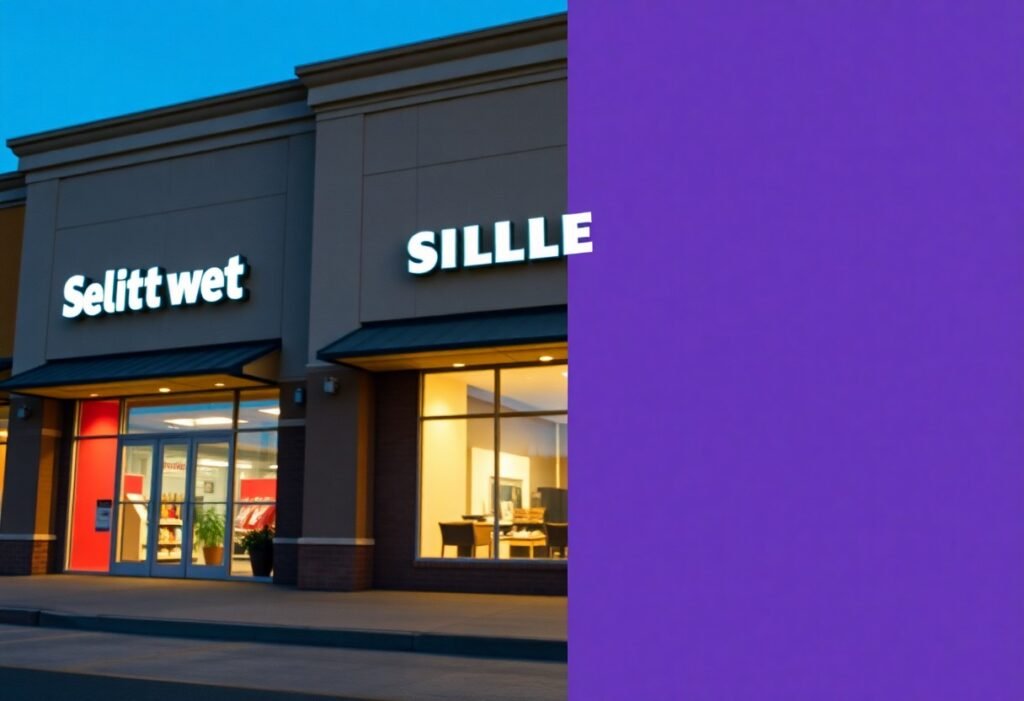
‘Signage that stands out uses high-quality face-lit, reverse-lit (halo), or combination channel letters with durable aluminum returns, UV-stable acrylic faces, and energy-efficient LEDs; you should prioritize visibility, color consistency, weather resistance, and compliance with local codes, balancing brightness and style to match your brand-face-lit for maximum legibility, halo for upscale appeal, and combination for depth and flexible daytime/nighttime performance.
Key Takeaways:
- Select illumination by brand intent and visibility: front-lit for bold, color-accurate logos; reverse/halo-lit for a refined, high-end look; front+halo for maximum daytime and nighttime presence.
- Prefer high-quality, serviceable LED systems for energy efficiency, long life, consistent brightness, and easily replaceable modules and drivers.
- Specify durable materials and construction: extruded or formed aluminum returns, UV-stable acrylic or polycarbonate faces, corrosion-resistant hardware for coastal sites, and IP-rated sealing.
- Choose mounting and power strategies that simplify maintenance: raceway mounting for centralized wiring and accessible service panels, or individual can mounts for a flush aesthetic where feasible.
- Design to scale and code: optimize letter height, stroke width, contrast, and luminance for sightlines and distance, and confirm local sign regulations, permits, and nighttime illumination limits before fabrication.
Understanding Channel Letters
Definition and Purpose
You should view channel letters as three-dimensional, custom-cut sign components-usually formed from aluminum with acrylic faces-that spell your brand and guide shoppers day and night. They provide targeted illumination, scalable visibility from roughly 50-500 feet depending on letter height and lighting, and integrate with façades, pylons, and canopy entries to reinforce identity and wayfinding.
- Visibility range: readable from 50-500 feet based on size and illumination.
- Construction: aluminum returns with acrylic faces dominate for durability and finish options.
- Installation: raceway or direct-mount options affect service access and permit filings.
- Assume that you must verify local electrical access and sign setbacks before finalizing design.
| Type | Front-lit, reverse halo, open-face, push-through, raceway-mounted |
| Materials | Aluminum returns, acrylic faces, stainless hardware |
| Illumination | LED modules, LED strips, neon-style options, RGB for color change |
| Typical depth | 3-8 inches depending on letter size and wiring space |
| Average cost per letter | $150-$650 based on size, finish, and lighting |
Types of Channel Letters
You should assess front-lit, reverse halo, open-face, and push-through letters based on desired effect and context: front-lit gives bright face visibility for road-facing stores; reverse halo creates an upscale wall glow for architectural façades; open-face exposes neon or LEDs for saturated color; push-through embeds logo elements through panels for dimensional logo effects.
Compare energy and maintenance: LED front-lit letters typically consume 2-10W per module and last 50,000+ hours, while neon-style open-face requires periodic tube servicing; you should weigh upfront cost-push-through often adds 20-40% per letter-and local code limits on light spill and total illuminated area.
- Energy: LED systems reduce consumption up to ~70% versus neon alternatives.
- Maintenance: modular LED arrays simplify onsite replacement compared with sealed neon tubes.
- Cost variance: push-through letters typically cost 20-40% more per letter due to custom acrylic work.
- Assume that you will need photometric data and a site plan for permit submission.
| Front-lit | High legibility; acrylic face with LEDs; suited to storefront façades |
| Reverse halo | Creates soft halo on wall; ideal for upscale centers and historic façades |
| Open-face | Exposes neon or LED for vivid color; common in vintage or statement signage |
| Push-through | Cut acrylic logos through metal panel; great for banks and corporate marks |
| Raceway-mounted | Letters pre-wired on a common box; simplifies installation on long façades |
Key Features of Effective Channel Letters
Choose letters that balance brand clarity and long-term performance. Front-lit faces deliver color-accurate logos at night, while halo/reverse-lit options give a premium silhouette; letter heights between 18-60 inches accommodate most shopping-center sightlines. Any choice must factor in service access, LED lifespan (≈50,000 hours) and local code compliance to protect your investment.
- Illumination type – front-lit for bold color fidelity, reverse/halo-lit for upscale appearance; mixed systems if you need both daytime branding and nighttime ambiance.
- Letter size & proportion – apply the 1 inch = 10 feet viewing-distance rule: a 36″ letter reads clearly from ~360 feet; maintain stroke widths ≥10% of letter height for stroke legibility.
- Font and spacing – use simple sans-serifs for maximum read distance; avoid condensed scripts and add 20-30% more tracking for signs viewed from angles.
- Materials & thickness – specify aluminum returns (0.040″-0.125″) and UV-stabilized acrylic faces (1/8″-1/4″) to resist warping and yellowing.
- LED modules & color temp – choose 3000-5000K LEDs and spacing of 3-6″ for uniform light; expect ~50,000-hour useful life with quality drivers.
- Mounting & serviceability – include removable returns or hinged faces for lamp replacement; plan for internal access panels every 10-15 letters on long runs.
- Weatherproofing & ratings – target IP65 or higher for wet-exposed façades and use powder-coat or anodized finishes in coastal environments.
- Energy & maintenance – prefer high-efficiency drivers and modular LED strips to lower energy by up to 60% versus neon and simplify repairs.
- Compliance & permits – verify local zoning setbacks, illumination limits, and electrical permits before fabrication to avoid costly revisions.
Visibility and Readability
You should size and space letters according to typical sightlines: 1 inch of letter height per 10 feet of viewing distance is a practical baseline. Choose high-contrast color combinations (dark logo on light face or vice versa) and keep stroke widths at least 10-15% of letter height; front-lit faces with 3000-5000K LEDs improve nighttime color rendering and distance legibility.
Materials and Durability
You’ll get the best longevity using fabricated aluminum returns and UV-stabilized acrylic faces-common specs are 0.063″ aluminum and 1/8″-1/4″ acrylic. Specify powder-coat or anodized finishes and stainless fasteners in coastal sites; quality LED modules and IP65-rated seals typically yield 7-15 years of reliable performance under normal maintenance.
In practice, pay attention to thermal management-aluminum cabinets dissipate heat and extend LED life-plus gasketed seams and drainage to prevent condensation. Use LED spacing of 3-6″ and quality drivers to avoid hot spots; plan routine cleaning every 1-3 years and expect finish refresh or replacement cycles around 10-15 years depending on exposure.
Design Considerations for Shopping Centers
When planning signage for a multi-tenant center, you should align channel letters with façade proportions, sightlines, and the landlord’s sign program. Typical letter heights range from 1-6 ft with depths of 3-8 in; apply the 1 inch per 10 ft viewing-distance rule to ensure legibility from parking areas. Factor in mounting zones, clearances for fire egress and municipal codes that often set maximum heights, illumination curfews, and material finish requirements to avoid costly reworks during permitting.
Size and Scale
You’ll want letters scaled to storefront width and pedestrian vs. vehicular viewing: use taller, bolder letters for endcaps facing main drives and smaller, tighter spacing for inline shops. As an example, on a 12 ft-high façade choose 3-4.5 ft letters (25-40% of façade height); for long linear malls keep character spacing at 24-48 in to preserve word shapes from 50-200 ft away, and test mockups at full scale before final approval.
Lighting Options
You can choose face-lit (front-illuminated), halo (backlit), reverse halo, neon, or edge-lit channel letters, with LED modules now standard for efficiency and color control. Common LED color temperatures are 3000-5000K; RGB and tunable white give dynamic branding but may trigger stricter mall lighting rules. Confirm lumen levels and dimming schedules with property management to meet nighttime glare limits and energy targets.
For performance, specify high-quality LED drivers, IP65-rated fixtures for exterior exposure, and modules rated for 40,000-50,000 hours to minimize visits. You should consider CRI (80+ for accurate color), adequate heat-sinking, and service access for rear-mounted drivers. Converting neon to LED typically cuts energy use and maintenance frequency substantially, and adding photocell or timer-based dimming can reduce operating costs by up to half in many centers.
Placement Strategies
You should cluster primary channel letters at main entrances and corners, space secondary signs roughly 30-50 feet apart along long façades, and align runs to sightlines from the primary access road. For example, a 400-foot strip mall often benefits from 8-12 distinct channel letter runs with endcap emphasis; balancing repetition and hierarchy helps shoppers navigate from parking to storefronts while maximizing visibility for drive-by traffic.
Optimal Locations
Prioritize mounting at pedestrian eye level near entrances (about 8-12 ft) and at higher roofline or canopy positions for driver sightlines (roughly 15-25 ft). Place anchor tenant letters at the highest visible plane, use endcaps and projecting signs for corner visibility, and orient illumination toward parking aisles and access roads to capture both foot and vehicle traffic without creating glare for drivers.
Compliance with Zoning Regulations
You must review municipal sign codes for limits on sign area, letter height, illumination hours, and total façade coverage; many jurisdictions set size caps and require permits. Expect permit review timelines of about 2-8 weeks, and plan to submit engineered mounting details and an electrical permit. Also check HOA or historic-district rules that may restrict materials, colors, or backlighting.
When preparing applications, include scaled elevations, mounting details, material specs, and a simple photometric or lighting-control plan showing proposed lumen levels and dimming/timer schedules. Municipalities commonly ask for UL-listed electrical components and sealed engineering for rooftop anchor mounts. Permit fees and approval steps vary widely-fees can range from modest to several hundred dollars-while noncompliance typically triggers stop-work orders or removal directives, so build approvals into your project timeline.
Cost Factors and Budgeting
Costs vary by materials, letter size and site logistics; key line items include fabrication, installation, electrical and permits. Typical ranges: fabrication $150-$700 per letter, installation $50-$200 per letter, drivers/electrical $100-$500, permits/engineering $500-$3,000.
- Fabrication: $150-$700 per letter
- Installation/labor: $50-$200 per letter
- Electrical/drivers: $100-$500 total
- Permits/engineering: $500-$3,000
Assume that you should set a contingency of 10-20% and expect a medium center to budget $10,000-$40,000 for a coordinated channel-letter program.
Initial Investment
You’ll face material and design choices that drive upfront cost: standard acrylic-front, front-lit letters typically run about $150-$350 per letter; halo-lit or metal-formed letters often cost $300-$700 each, and complex logo elements can exceed $1,000. Installation and scaffold/electrical work commonly add $1,000-$5,000 per storefront depending on height and access. For a 20-tenant center, expect an initial investment roughly $25,000-$120,000 based on finish level and site prep.
Maintenance Costs
You should budget for cleaning, LED driver replacement and occasional face or trim repairs; LEDs lower bulb replacement but drivers typically fail every 5-10 years, costing $50-$200 per module to replace. Annual cleaning and minor repairs for a mid-size center usually run $1,000-$4,000, and energy for LEDs often totals $5-$25 per letter per month depending on run hours and brightness settings.
Case studies show proactive maintenance reduces long-term spend: a 30-letter center cut failures ~40% by sealing seams and scheduling twice-yearly inspections, dropping annual repair costs from $6,500 to $3,900. You should track driver ages, IP ratings and fastener corrosion, plan a 10-15% maintenance contingency, and use dimming schedules to lower energy costs by up to 30%.
Case Studies and Examples
To ground your decisions, review direct examples showing how different channel-letter types perform; see an overview in 4 Types of Channel Letters and What They Offer to You. The items below give measured outcomes on visibility, cost, energy and tenancy so you can compare solutions against real results.
- Suburban Lifestyle Center (Case 1): 150 ft main façade, 48 front‑lit acrylic channel letters, 3500K LEDs, installation $18,000, energy draw 380W total, permit turnaround 3 weeks, install 2 days; tenant evening sales +9% in 12 months.
- Urban Strip Mall (Case 2): 220 ft storefront run, 30 reverse/halo‑lit letters for premium brands, project cost $26,500, weekly evening foot traffic +14%, maintenance average $600/year, ROI observed in 10-14 months.
- Outlet Center Rollout (Case 3): 60 stores updated across 1,200 ft, average fabrication cost per tenant $4,200, uniform letter heights improved wayfinding; occupancy rose from 88% to 95% within 9 months post‑install.
- Power Center Anchor Upgrade (Case 4): Mixed front + back‑lit system for 1 anchor, 72″ max letter height, LED drivers specified for 0-10V dimming, total project $42,000, nighttime visibility range extended from 120 ft to 210 ft.
- Energy Retrofit Program (Case 5): Retrofit of 80 existing neon letters to LED modules, capital $12,000, energy reduction 62%, annual utility savings $2,800, projected payback 2.5 years, average lamp life extended to 50,000 hrs.
Successful Implementations
Examples show you that coordinating letter type with tenant mix and façade geometry yields measurable lifts: projects that paired front‑lit letters for high‑contrast logos and halo‑lit accents for premium tenants averaged an 11% evening foot‑traffic increase and a 7% sales improvement across 12 months.
Lessons Learned
You should build permitting, electrical access and maintenance access into budgets up front-projects that planned conduit routing and service points ahead reduced change orders by about 65% and cut install time by one third.
Further, you ought to specify materials and LED drivers based on environment and maintenance policy: coastal sites need marine‑grade fasteners and sealed housings, dimmable drivers match center lighting schedules, and standardizing letter heights across suites simplifies future replacements and lowers long‑term costs.
Summing up
Following this you should choose weatherproof channel letters with energy-efficient LED illumination, aluminum returns, and acrylic or polycarbonate faces for high visibility and longevity. Opt for custom fonts and color-matched LEDs to reinforce your brand, consider front- or halo-lit options for night impact, and prioritize low maintenance and modular construction so your signs remain striking and cost-effective over time.
FAQ
Q: What types of channel letters work best for shopping centers?
A: Front-lit channel letters are the most common choice for shopping centers because they deliver strong nighttime visibility and clear brand recognition. For higher-end or architecturally sensitive centers, reverse-channel (halo-lit) letters create a premium, back-glow effect that reads well against darker façades. Combination letters that are both front-lit and halo-lit give maximum presence day and night. Exposed neon or neon-look LED can be used for a distinctive retro look, but modern LED-based modules are preferred for efficiency and lower maintenance.
Q: Which materials and construction details should I specify?
A: Specify rust-proof aluminum returns and backs with durable acrylic or polycarbonate faces; acrylic is common for even light diffusion, polycarbonate is tougher where impact or vandalism is a concern. Choose an adequate return depth (commonly 3-6 inches) for even illumination and clean letter profiles. Use high-quality, UL-listed LED modules and constant-current drivers located in a ventilated, weatherproof compartment. Specify outdoor-rated finishes and an IP65 (or higher) rating for fixtures and junctions to ensure long-term performance.
Q: How should I size, place, and design channel letters for best readability?
A: Size letters to the primary viewing distance and line of sight: storefronts typically use 12-36 inch letters depending on façade height and shopping-center scale. Prioritize contrast between letter color and background, bold, simple fonts with sufficient stroke width, and minimum spacing so each character reads at a glance. Mounting on a raceway simplifies wiring and maintenance; direct-mount can be cleaner but requires a routed or engineered back. Position letter centers at common sightlines from parking and walkways and avoid locations blocked by awnings, trees, or signage clutter.
Q: What maintenance and lifespan factors should I plan for?
A: Plan for LED modules rated around 50,000 hours and use quality drivers with surge protection. Design letters for technician access (service panels or removable faces) and locate drivers in weatherproof, ventilated compartments. Schedule periodic cleaning of faces and inspection of seals, wiring, and mounting hardware to prevent moisture intrusion. Keep replacement LEDs and drivers on hand to minimize downtime; specify warranties for LEDs, drivers, and installation.
Q: What permit, code and budget considerations affect selecting channel letters?
A: Confirm landlord signage standards and shopping-center design guidelines before design work; many centers restrict letter height, color palettes, illumination type, and mounting methods. Obtain local electrical and sign permits; ensure signage is UL-listed and complies with local zoning, setback, and night-lighting ordinances. Budget drivers include letter size, illumination type (single vs. combination lighting), custom returns/trim, and installation complexity (access, lifts, façade repairs). Factor lifecycle cost: LEDs have higher upfront cost but lower energy and maintenance expenses than neon.